
Laetia thamnia
Laetia thamnia
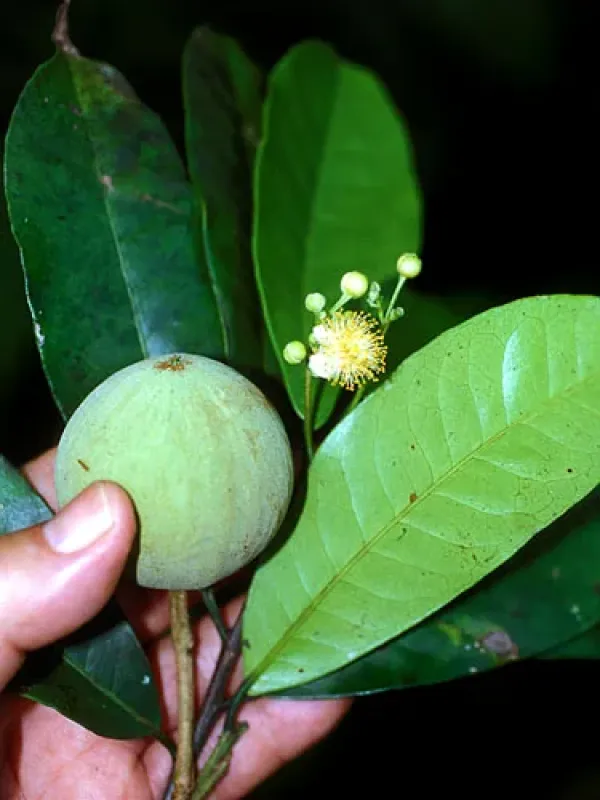
Description
Growing requirements
Laetia thamnia is a tree species belonging to the Salicaceae family. Originally found in the tropical regions of the Americas and the Caribbean, this plant is well-adapted to the humid conditions of tropical forests, where it serves as a key component of the local vegetation.
To cultivate this species successfully, growers must ensure a tropical climate with consistent temperatures throughout the year. The soil must be rich in organic matter and possess excellent drainage capabilities to prevent root decay, which is common in stagnant, waterlogged areas.
The plant thrives under full sunlight or light shade, depending on the stage of its development. Young saplings require more protection from intense radiation, while mature trees demonstrate significant resilience and can handle high levels of exposure.
Agricultural techniques focus on maintaining soil pH within the slightly acidic to neutral range. Regular monitoring of the substrate moisture is essential to support the tree's vigorous growth and development of its characteristic woody structure.
The utility of Laetia thamnia extends to both ecological and practical fields. Its wood is often utilized for local construction purposes, and the plant itself is highly valued for its ability to maintain soil integrity and provide habitat for various tropical species.
Main diseases and pests
The primary threats to Laetia thamnia are fungal infections favored by high ambient humidity and poor air circulation. These pathogens typically target the root system or the cambium if the tree is stressed by waterlogging.
Pests such as wood-boring insects present a significant challenge. These organisms tunnel into the trunk and branches, reducing the quality of the timber and causing structural weakness in the tree over time.
Integrated pest management is crucial for large-scale plantings. This includes monitoring for early signs of infestation and utilizing targeted biological controls to manage insect populations without disrupting the ecosystem.
Maintaining clear surroundings by removing invasive weeds helps reduce competition for nutrients. It also minimizes the potential for weeds to act as secondary hosts for diseases that can affect the trees.
Pruning is an essential maintenance task. By thinning the canopy, growers can improve airflow and reduce the humidity level directly around the leaves, effectively lowering the risk of fungal proliferation.