
Carrierea calycina
Carrierea calycina
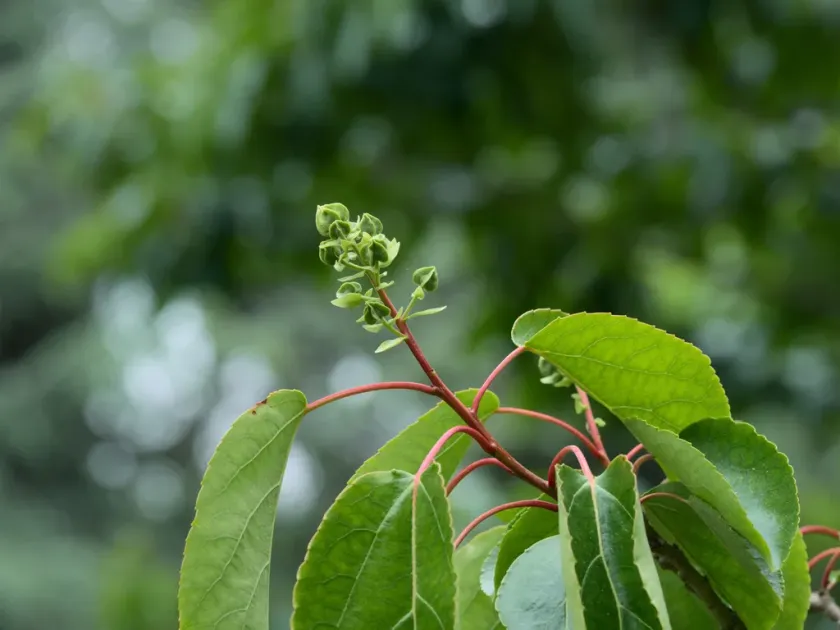
Description
Sowing dates
The propagation of Carrierea calycina is typically achieved through seeds. To ensure a successful germination rate, seeds should be sown in a well-draining, nutrient-rich potting medium shortly after harvesting.
Cold stratification is highly recommended to break seed dormancy, simulating the natural environmental cycle required for the embryos to mature before the spring season.
When sowing, place seeds at a shallow depth, covering them with a light layer of soil. Maintain consistent moisture levels in the seed trays and provide gentle warmth to facilitate the initial sprout emergence.
Young seedlings must be kept in a protected environment with diffused sunlight. Exposure to harsh direct sun can cause the tender foliage to wither or suffer from severe burns.
Once the seedlings have developed two sets of true leaves, they should be carefully transplanted into larger individual containers to foster root expansion before being moved outdoors.
Growing requirements
Belonging to the Salicaceae family, Carrierea calycina is native to the subtropical mountainous forests of China. It flourishes in regions that offer a humid microclimate with consistent protection from strong, drying winds.
The soil should be deep, fertile, and maintain a pH balance ranging from slightly acidic to neutral. High organic matter content is beneficial, as it helps in retaining moisture while providing essential nutrients.
This tree performs best in partial shade, mimicking the forest understory or canopy edge conditions. In intense heat, irrigation must be increased to compensate for higher transpiration rates.
Adequate space is crucial for the development of its canopy. When planting in a landscape setting, it is important to allow sufficient distance from structures and other large trees to avoid competition for resources.
Mulching the root zone is a critical practice to regulate soil temperature and maintain moisture levels, especially during the tree's formative years in the garden.
Yield
The primary value of Carrierea calycina lies in its exceptional ornamental quality. The large, cup-shaped flowers provide a stunning visual display that is highly prized in landscape architecture.
While the tree is not typically farmed for mass-market commodity timber, its wood possesses unique characteristics that have been historically utilized in niche local woodworking projects.
As a botanical species, it is often kept in collections and arboretums dedicated to the preservation of rare flowering trees, serving both an educational and aesthetic purpose.
The beauty of the tree directly impacts the value of the landscapes it inhabits, providing shade, wind shelter, and a focal point for aesthetic enjoyment during the flowering season.
Seed production from established specimens can be a secondary product, valuable for propagation and exchange programs within horticultural societies focused on rare plant species.
Main diseases and pests
Fungal diseases represent a significant threat to Carrierea calycina, particularly in environments with poor air circulation or stagnant humidity. Pruning is necessary to maintain an open canopy structure.
Pests such as aphids and spider mites can infest the foliage, particularly during dry spells. Biological control methods or organic insecticidal soaps are recommended to keep populations in check without harming beneficial insects.
Powdery mildew can manifest as a white coating on the leaves, usually triggered by improper moisture levels or overcrowded planting conditions. Regular monitoring is the key to early detection.
In colder regions, frost damage to young branches is possible. Protecting the tree with burlap or frost-protective fabrics during the first few winter seasons is a standard preventive measure.
Healthy, vigorous plants are more resistant to pests and diseases, emphasizing the importance of optimal soil management and a balanced nutrient program throughout the year.
Harvesting
Seed harvesting should be performed when the fruit capsules transition in color, signaling maturity, but before they split open and release seeds to the ground.
Post-harvest, the capsules should be air-dried in a sheltered, well-ventilated space. This process allows the follicles to open naturally, making the seeds easy to collect for further processing.
If the harvesting goal is decorative branches, this should be done during the dormant period to minimize stress on the tree and ensure a clean, healthy cut that will heal rapidly.
All harvesting tools must be sterilized to prevent the accidental transmission of plant pathogens. Sharp shears should be used to make clean cuts at the appropriate nodes.
Documentation of the harvest date, collection location, and seed condition is essential for maintaining high-quality breeding programs and monitoring the viability of the collected plant material.