
Sundacarpus
Sundacarpus
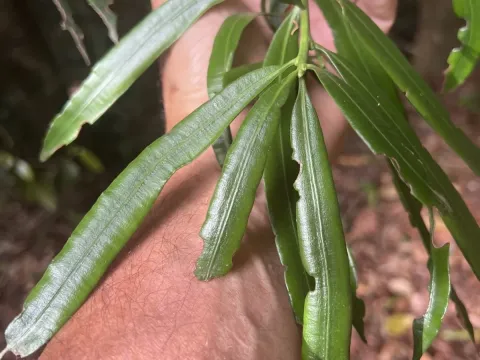
Sundacarpus (Sundacarpus amarus) is a monotypic genus within the Podocarpaceae family. It is a large, evergreen conifer native to the tropical forests of Southeast Asia, ranging from Indonesia and Malaysia to parts of Australia.
What the section contains

Sundacarpus
This species thrives in high-altitude tropical environments where rainfall is abundant and stable. It prefers a climate that is cool and humid, avoiding the extreme heat often associated with lowland tropical zones.
The ideal soil conditions for Sundacarpus include deep, fertile, and well-drained substrates. Proper soil aeration is crucial for the health of its root system, as the plant is highly sensitive to waterlogging and poor drainage.
Agrotechnical management requires providing young trees with protection from direct, intense sunlight, as they are naturally adapted to grow under the canopy of more mature forest species in their early life stages.
Due to its relatively slow growth rate, the cultivation of this species requires long-term planning and consistent maintenance of the forest environment to ensure the survival and development of the seedlings.
The primary economic utilization of Sundacarpus is for its high-quality timber. Its wood is valued for its uniform texture, reddish color, and natural resistance to decay and insect damage, making it ideal for furniture and construction.
Sustainable harvesting is achieved through selective logging, where only mature trees are extracted. This method helps maintain the ecological integrity of the forest and promotes the natural regeneration of the population.
Apart from its industrial uses, the tree serves a vital role in local ecosystems by protecting water resources in mountainous areas. Its presence is essential for maintaining biodiversity in the tropical regions where it grows.
Landscape architects also consider Sundacarpus for decorative planting in large public parks in tropical regions due to its elegant form and dense, evergreen foliage throughout the year.
Future management of this species focuses on reforestation efforts to balance timber demand with environmental conservation, ensuring that this unique conifer continues to thrive in its native habitats.