
Sundacarpus amarus
Sundacarpus amarus
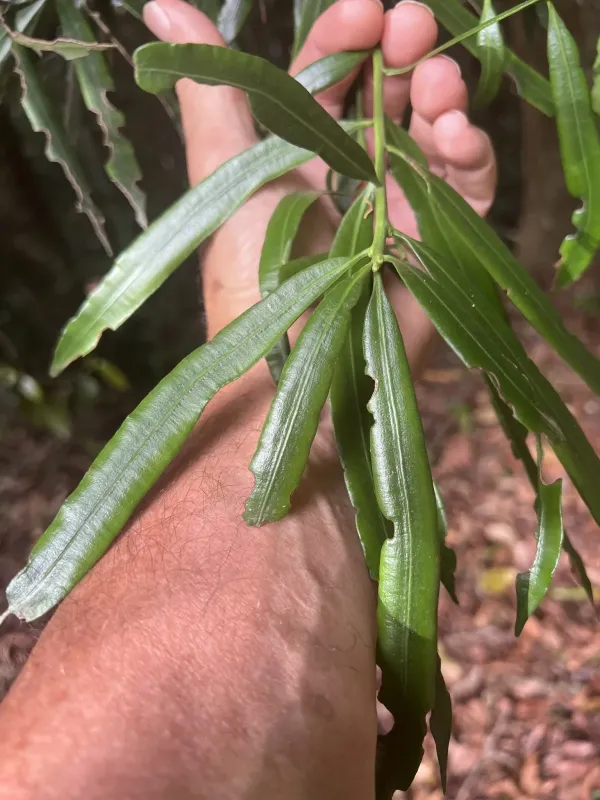
Description
Growing requirements
Sundacarpus amarus is a unique conifer species belonging to the Podocarpaceae family. It is distinct for its tropical adaptation, thriving in environments far different from typical temperate pines.
The native range of this tree spans Southeast Asia, encompassing the Malay Archipelago and adjacent regions. It typically grows in montane forests where temperatures are cool and moisture levels are consistently high throughout the year.
To cultivate this species effectively, it requires well-drained, nutrient-rich soils. While it can adapt to various soil types, waterlogged conditions must be avoided at all costs to prevent root rot.
The tree exhibits significant shade tolerance during its juvenile stages, which is a vital adaptation for surviving under the canopy of dense rainforests before reaching full sun exposure.
Successful management involves site selection that mimics its natural high-altitude environment, prioritizing locations with stable humidity and protection from extreme temperature fluctuations.
Main diseases and pests
The primary biological threats to Sundacarpus amarus include various fungal pathogens that flourish in high-humidity tropical conditions, particularly if air circulation is poor.
Insect pests, including borers, represent a threat to the structural integrity of the trunks. Frequent monitoring is necessary to prevent significant damage to the wood quality.
Habitat loss due to land-use changes remains the single greatest threat to wild populations, emphasizing the importance of sustainable planting and conservation efforts.
In managed plantations, overcrowding can lead to an increased incidence of disease, necessitating thinning operations to improve overall stand health and airflow.
Integrated pest management strategies are recommended, focusing on maintaining biodiversity in the surrounding ecosystem to naturally suppress the population of harmful pests.