
Taxandria inundata
Taxandria inundata
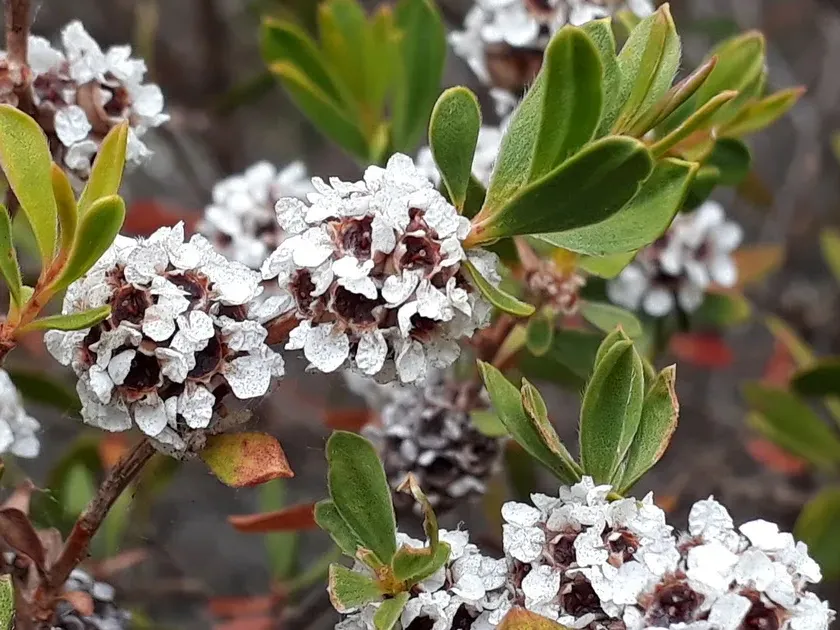
Description
Growing requirements
Taxandria inundata is a shrub belonging to the Myrtaceae family. Originally native to the southwest regions of Western Australia, this plant is naturally adapted to seasonally wet environments, such as heathlands and areas adjacent to marshes or watercourses.
Cultivation requires specific soil conditions, ideally acidic, well-draining sandy soils. While the species is named for its ability to withstand inundation, in a controlled agricultural setting, it is vital to avoid prolonged stagnant water, which can trigger root diseases and compromise the plant's health.
The plant thrives in Mediterranean-type climates, characterized by mild, wet winters and warm, dry summers. It lacks cold tolerance, so it must be protected from frost in non-native regions. Providing high air humidity is often beneficial for maintaining the lush appearance of the foliage.
Proper agronomic management involves avoiding excessive phosphorus fertilizers, as many Australian native plants in the Myrtaceae family are phosphorus-sensitive. Regular pruning is necessary to maintain a dense, commercially viable canopy of leaves, which are the main harvestable product.
Botanically, the species is known for its narrow, aromatic leaves rich in essential oils. These oils not only provide a pleasant fragrance but also act as a defense mechanism against certain pests, making the plant relatively low-maintenance in comparison to other commercial ornamental crops.
Harvesting
Taxandria inundata is predominantly harvested for the cut foliage industry. Its structural, needle-like leaves and flexible stems are highly valued by florists globally as decorative fillers in high-end arrangements, offering an excellent vase life due to the waxy coating on its foliage.
Harvesting is typically done manually, selecting stems that have reached the desired maturity and length. After harvesting, stems are bunched and cooled to preserve moisture, ensuring the quality of the product for export or local distribution to floral markets.