
Purpureostemon ciliatus
Purpureostemon ciliatus
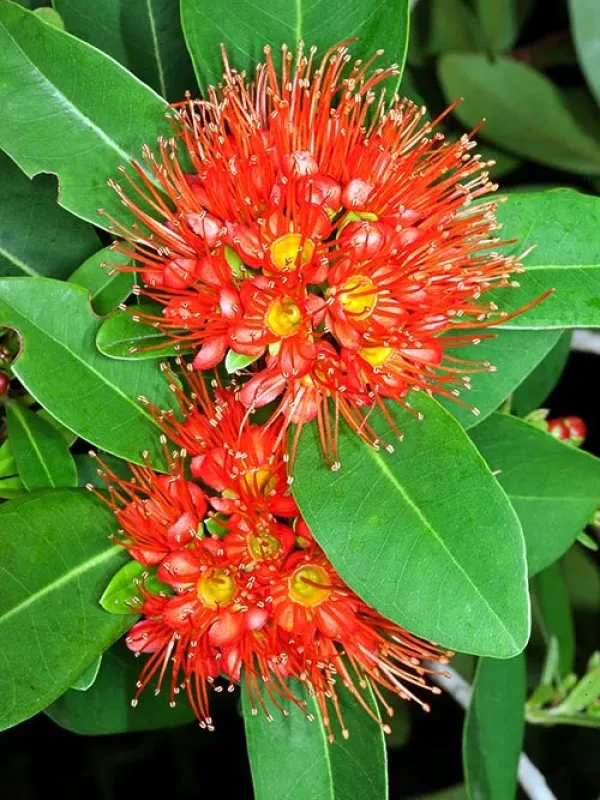
Description
Growing requirements
Purpureostemon ciliatus belongs to the Myrtaceae family and is native to the sandplain regions of Western Australia, where it has adapted to specific ecological niches.
The culture thrives in well-draining, sandy or gravel-based soils that mimic its natural habitat, emphasizing the need to avoid heavy clay or water-retentive substrates.
High light intensity is essential for this species; it requires full sun exposure to maintain its compact growth habit and produce vibrant, specialized flower structures.
Water management is critical, as the plant is sensitive to waterlogging; irrigation should be applied only when the top layer of the soil is completely dry.
Temperature requirements involve avoiding extreme cold; the plant prefers a Mediterranean-style climate with moderate humidity levels to remain vigorous and healthy.
Main diseases and pests
Root rot, primarily caused by the oomycete Phytophthora, is the most significant threat to Purpureostemon ciliatus, especially in poorly drained soil conditions.
Scale insects and mealybugs are common pests that may colonize the stems and leaf axils, necessitating regular inspections to prevent infestation outbreaks.
Fungal leaf spots can occur if the foliage is kept consistently damp or if there is insufficient air circulation, highlighting the need for proper spacing.
Nutrient deficiencies, particularly iron or magnesium, may appear if the soil pH is not maintained, leading to chlorosis and stunted development.
Cultural control, including selective pruning and careful moisture regulation, remains the most effective strategy for maintaining a disease-free plant population.