
Fringed heath-myrtle
Micromyrtus ciliata
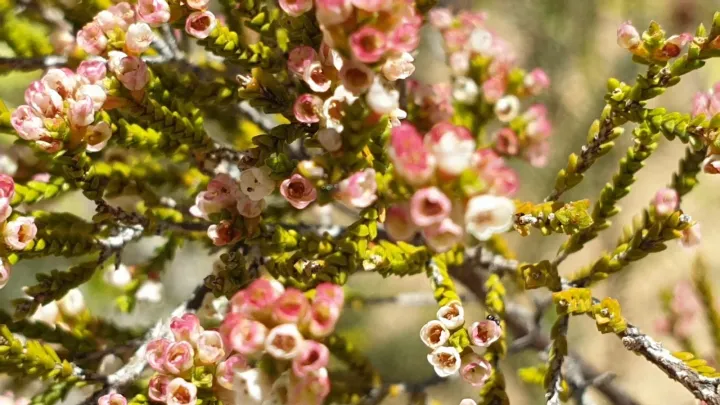
Description
Growing requirements
Fringed heath-myrtle (Micromyrtus ciliata) is a member of the Myrtaceae family, native to Australia. It is a compact, evergreen shrub recognized for its delicate foliage and abundant floral display.
The plant thrives in locations with full sun exposure. While it is hardy in its native habitat, it prefers mild climates and should be protected from extreme frost in colder regions by using greenhouses or pots.
Soil requirements focus on excellent drainage and a slightly acidic to neutral pH. Sandy, gritty soils are ideal, as they prevent the root rot that frequently affects this specific genus in heavy clay soils.
Irrigation practices must be precise. Allow the top layer of the soil to dry out between waterings to ensure the root system receives sufficient aeration while maintaining general hydration.
In terms of usage, the plant is highly valued for rock gardens and as an ornamental hedging shrub. It responds exceptionally well to pruning, which promotes a denser and more floriferous habit.
Main diseases and pests
Root rot is the most common threat, usually triggered by poor drainage or overwatering. Once established, it is difficult to treat, making prevention through soil quality the most important strategy.
Spider mites are common indoor pests that thrive in dry conditions. Regular misting and proper humidity levels help mitigate the risk of these infestations during the winter months.
Powdery mildew can affect the leaves during periods of high humidity and poor airflow. Managing the density of the canopy through selective pruning is crucial for disease prevention.
Scale insects can weaken the plant by feeding on sap. Early detection is key; systemic insecticides or horticultural oils are typically effective if the infestation is addressed promptly.
Maintaining a clean growing environment is vital for the health of Micromyrtus ciliata. A healthy plant in an optimal environment is rarely troubled by persistent pest outbreaks.