
Swamp box
Lophostemon suaveolens
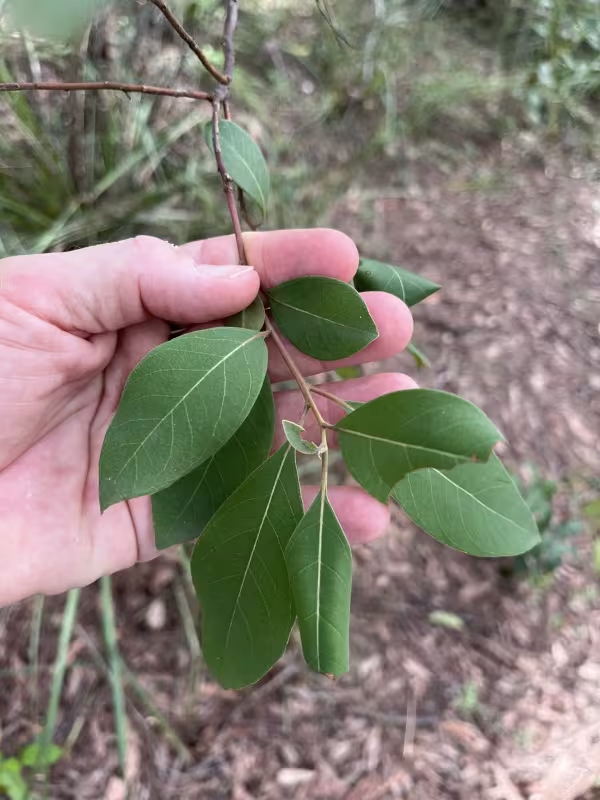
Description
Sowing dates
Propagation of Lophostemon suaveolens is primarily achieved through seeds collected from mature woody capsules. Proper storage of seeds ensures high viability for nursery use.
Sowing should be done in well-drained, sterile potting media to prevent damping-off. Seeds require consistent moisture and warm conditions, ideally around 25 degrees Celsius for germination.
Once seedlings emerge, they should be gradually acclimated to higher light levels. Pricking out is performed after the development of the second pair of true leaves.
Young trees are best transplanted into the field during the onset of the wet season. This timing provides the necessary moisture for deep root establishment before the dry months.
Spacing requirements range from 3 to 5 meters depending on the intended use, whether for timber production or landscape screening. Proper spacing ensures optimal crown development.
Growing requirements
As a member of the Myrtaceae family, the Swamp box originates from the tropical forests of Northern Australia and New Guinea. It thrives in high-humidity environments.
The tree prefers deep, loamy soils but displays remarkable tolerance for sandy or poorly drained substrates. Its native habitat often includes seasonal swamps and wetlands.
Lophostemon suaveolens requires full sun to partial shade for healthy growth. It is relatively wind-resistant, making it a suitable candidate for coastal or exposed areas.
Temperature tolerance is limited to tropical and subtropical ranges; the species does not withstand severe frost. Protection from cold winds is essential during the early stages of establishment.
Standard care involves periodic weeding around the base and mulching to retain soil moisture. The species is known for its relatively fast growth rate in suitable environments.
Yield
The wood of Lophostemon suaveolens is highly prized for its durability and strength. It is frequently utilized in construction, flooring, and the manufacturing of high-quality furniture.
The species serves as a significant nectar source, supporting local bee populations during its flowering season. Honey produced from this source is valued for its unique properties.
In landscaping, it is used for urban shade, avenue planting, and windbreaks. Its ability to tolerate wet soils makes it perfect for reclaiming boggy areas in urban planning.
Research suggests the foliage contains compounds that may be useful in medicinal or industrial applications, though these are secondary to its timber value.
Sustainable forest management allows for regular harvesting cycles, contributing to local economies. The tree is considered a reliable crop for reforestation projects in tropical zones.
Main diseases and pests
Leaf-eating caterpillars can cause minor defoliation, particularly in young saplings. Monitoring and early intervention are key to preventing large-scale damage in commercial plantations.
Fungal pathogens causing leaf spots may appear under stagnant air conditions. Proper thinning of the canopy helps maintain airflow and reduces the incidence of disease.
Root rot is a potential risk if the soil remains waterlogged for extended periods during the initial growth phase. Ensuring proper soil structure is the best preventative measure.
Borer insects can impact timber quality in older trees. Periodic inspections for boreholes are recommended as part of a standard forest management plan.
Generally, the Swamp box is a hardy species with few chronic pest problems when grown in its ideal habitat. Adhering to good silvicultural practices minimizes the need for chemical control.