
Lophomyrtus ralphii
Lophomyrtus ralphii
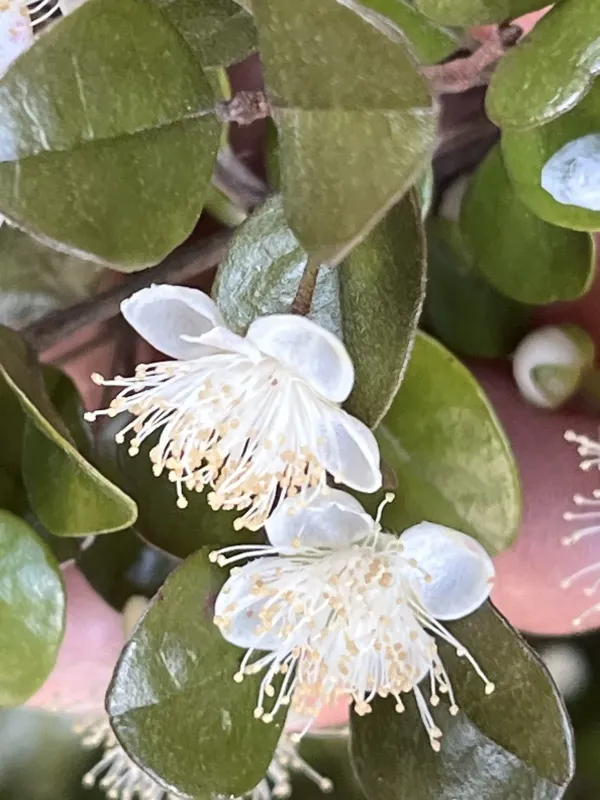
Description
Growing requirements
Lophomyrtus ralphii is an attractive evergreen shrub belonging to the Myrtaceae family. It is a natural hybrid endemic to New Zealand, highly regarded in ornamental horticulture for its dense, small, and often variegated foliage that changes color throughout the seasons.
To cultivate this species successfully, one must provide well-draining soil that is rich in organic matter. A slightly acidic to neutral pH level is ideal for nutrient uptake. Waterlogging is strictly prohibited, as the plant's root system is susceptible to crown rot when exposed to excessive moisture.
Climate requirements for this plant are centered around temperate to subtropical conditions. It thrives in locations with mild winters and high humidity levels. In regions with harsh frosts, Lophomyrtus ralphii should be treated as a container plant that is moved to a frost-free area during winter months.
Light exposure significantly affects the plant's health and appearance. Bright, indirect light is preferred, as intense direct sun can scorch the delicate leaves. However, insufficient light will result in leggy growth and the loss of the characteristic deep reddish hues on the foliage.
Regular maintenance involves light pruning to preserve the plant's shape and encourage denser growth. Fertilization should be applied sparingly during the growing season using a balanced liquid fertilizer, ensuring that salinity levels in the soil remain low to avoid chemical burns on the roots.
Main diseases and pests
Common pests include scale insects and spider mites, which often attack the foliage during periods of low humidity. Regularly cleaning the leaves and ensuring adequate air circulation around the shrub are essential cultural practices to minimize the risk of infestation.
Fungal pathogens such as powdery mildew may appear in poorly ventilated conditions. Management strategies include improving environmental airflow and applying appropriate systemic fungicides if symptoms persist. Always monitor the underside of the leaves, as these areas are the most common harbor for pests.