
Lindsayomyrtus racemoides
Lindsayomyrtus racemoides
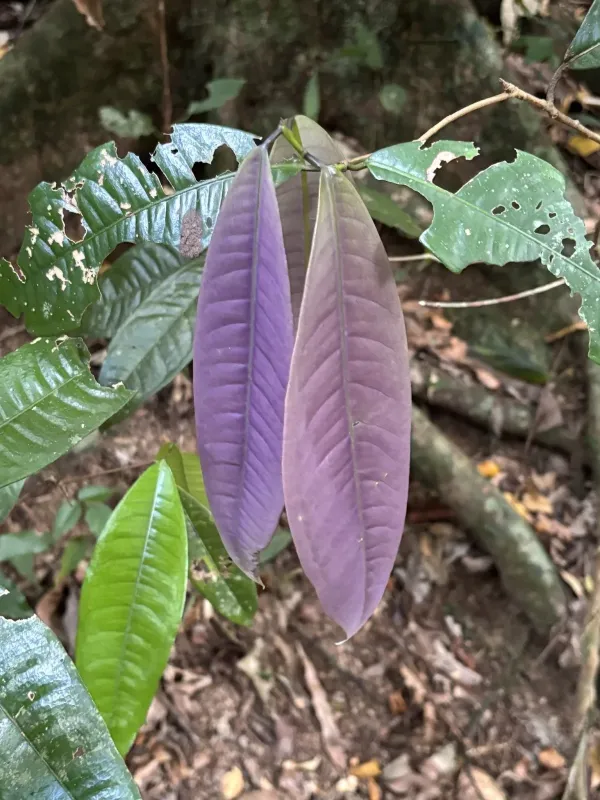
Description
Sowing dates
Lindsayomyrtus racemoides is a rare tropical tree species belonging to the Myrtaceae family, indigenous to the rainforests of Queensland, Australia, and New Guinea.
Propagation is typically done via seeds, which must be sown immediately after collection because they lose viability very rapidly after being removed from the fruit.
The sowing medium should be rich in organic matter, loose, and well-draining, similar to the forest floor litter where these trees naturally germinate.
Temperature requirements for successful germination are strictly tropical, necessitating a consistent range of 24 to 28 degrees Celsius with high humidity levels.
Seedlings should be handled with extreme care during transplantation to protect their delicate root systems, which are prone to shock if disturbed.
Growing requirements
As a native of tropical rainforests, this species demands a warm and stable climate without any exposure to frost, which is fatal to the tree.
The ideal soil conditions for growth involve slightly acidic, humus-rich soil that ensures constant moisture without becoming waterlogged or stagnant.
In its juvenile stage, the plant thrives in filtered light or partial shade, moving towards a more exposed position only as it matures and establishes.
High relative humidity is essential throughout the entire year to prevent leaf desiccation and to support the tree's vigorous growth pattern.
Protection from high winds and extreme solar radiation is crucial for maintaining the structural integrity of the canopy and preventing leaf damage.
Yield
The yield of Lindsayomyrtus racemoides is not measured in agricultural terms as the plant is not currently cultivated for mass-market commercial production.
The fruits are edible and appreciated by local wildlife, and occasionally consumed by humans in its native range, yet there is no established market for them.
The tree's primary utility currently resides in its botanical rarity and its contribution to the biodiversity of tropical botanical collections and conservatories.
Wood properties, while sturdy, are rarely utilized due to the tree's protected status and its slow growth rate compared to commercially viable timber trees.
Research potential into the biochemical properties of its essential oils remains an unexplored field that could define the plant's future industrial significance.
Main diseases and pests
Fungal infections, such as root rot or leaf spot, are the most prevalent threats when the plant is kept in conditions with poor airflow or excessive soil moisture.
Insects like scale insects and mealybugs can infest the branches and foliage, requiring careful monitoring to prevent significant loss of vigor.
Proper sanitation, including the removal of dead leaves and debris around the base, is a key practice for managing pest and disease populations.
If symptoms of pathogenic attack appear, gardeners should opt for biological control methods or gentle horticultural oils rather than harsh synthetic chemicals.
Maintaining a well-balanced irrigation schedule is the most effective preventative measure against the environmental stress that invites various pests.