
Trilepisium madagascariense
Trilepisium madagascariense
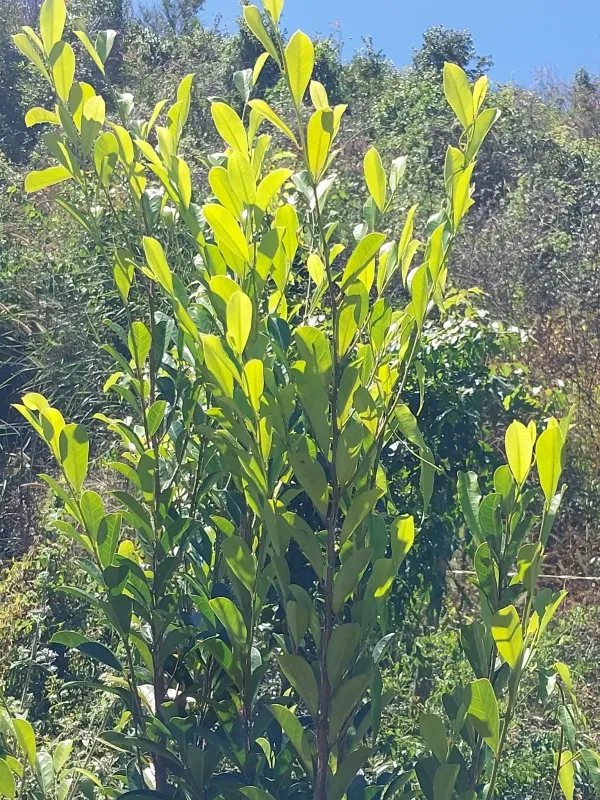
Description
Growing requirements
Trilepisium madagascariense is a prominent evergreen tree belonging to the Moraceae family. It is widely recognized for its robust growth, characterized by a straight, cylindrical trunk and a dense canopy that provides significant ecosystem services in tropical regions.
Originating from the tropical forests of Africa, Madagascar, and neighboring islands, this species thrives in humid lowland environments. It is adapted to areas with high annual rainfall and consistent temperatures, making it a key component of its native biodiversity.
The species requires well-drained, nutrient-rich soils to reach its full productive potential. While it exhibits tolerance for various soil textures, deep soils that maintain constant moisture without becoming waterlogged are ideal for the rapid establishment of saplings.
From an agricultural standpoint, the tree is managed in agroforestry systems to prevent soil erosion and promote biodiversity. It demands full or partial sunlight and is intolerant to prolonged drought or frost, which necessitates careful site selection in commercial planting projects.
The economic value of the tree is diverse, ranging from high-quality timber used for carpentry and furniture to edible fruits that provide nutritional support for local communities. The plant also contains medicinal compounds that are studied for their potential therapeutic applications.
Main diseases and pests
Major threats to the species include fungal pathogens that exploit the high-humidity environment to infect the foliage and trunk. Regular monitoring for lesions and the removal of infected plant matter are essential to maintaining the health of a plantation.
Pests such as wood-boring beetles present a critical challenge to timber quality. These insects bore into the heartwood, which creates galleries that compromise the structural integrity of the wood, rendering it less suitable for commercial lumber production and increasing tree mortality rates.