
Leplaea cedrata
Leplaea cedrata
Description
Sowing dates
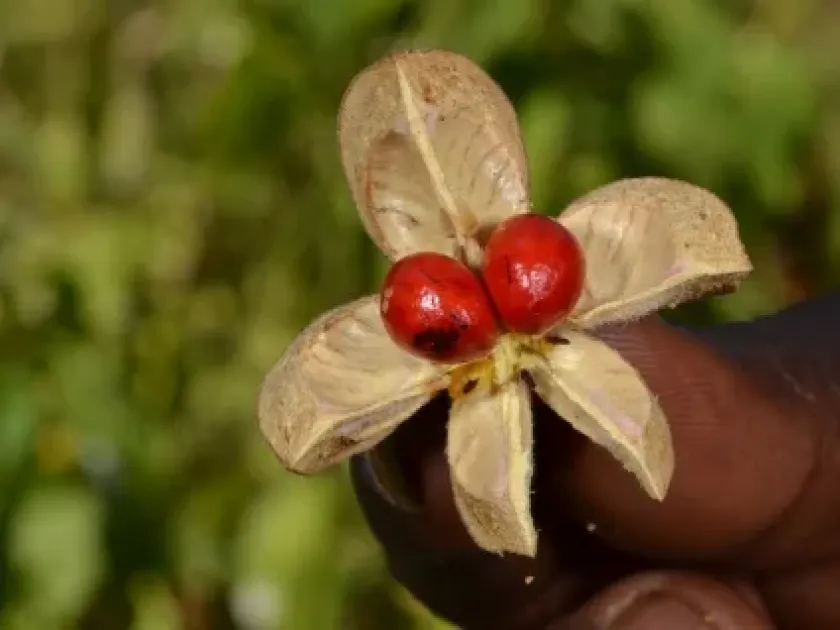
Leplaea cedrata is primarily propagated through seeds collected from mature fruits. Due to the high oil content in the seeds, they must be planted shortly after harvest to ensure viability.
Sowing should take place in nutrient-rich, well-draining potting mixtures within specialized nursery environments. Seeds are typically sown at a shallow depth to facilitate rapid emergence.
During the early seedling stage, constant shading is necessary to mimic the natural understory environment of tropical forests, preventing moisture loss and leaf scorch.
Seedlings are transferred to the field at the beginning of the rainy season. This timing is essential for the root system to establish itself before the onset of drier conditions.
Proper spacing is crucial in plantation forestry to ensure each tree has enough access to light and soil nutrients as it matures over several decades.
Growing requirements
This evergreen species, belonging to the Meliaceae family, originates from the tropical rainforests of West and Central Africa. It thrives in humid environments with stable thermal conditions.
The tree requires deep, fertile, and well-drained soils to support its extensive root system. It is intolerant of waterlogged conditions, which can quickly lead to physiological stress and rot.
An annual rainfall of at least 1500–2000 mm is preferred for optimal growth. High humidity levels are vital for maintaining the metabolic activity of the foliage throughout the year.
While tolerant of partial shade, Leplaea cedrata benefits from increased sunlight as it enters the sapling and mature stages. Protection from strong, drying winds is necessary in the early years.
Consistent temperatures ranging between +20°C and +30°C are ideal. The tree does not possess natural mechanisms to withstand frost or extended cold snaps.
Yield
The economic significance of Leplaea cedrata lies in its timber, often marketed as African cedar. It is a prized hardwood known for its attractive grain, durability, and resistance to decay.
As a slow-growing hardwood species, the rotation cycle for timber production is measured in decades, requiring long-term management and sustainable harvesting practices.
The timber is widely used in high-end furniture manufacturing, boat building, and interior joinery due to its excellent workability and aesthetic appeal.
Besides its timber value, the species is occasionally harvested for non-timber products such as medicinal bark extracts, though this remains secondary to its industrial wood value.
High yields of premium-grade timber depend on silvicultural interventions, including regular thinning and pruning, to ensure the growth of straight, defect-free trunks.
Main diseases and pests
The primary threats include fungal pathogens that exploit high-humidity environments, particularly causing bark and heartwood rot if the trees are not properly ventilated.
Boring insects represent a significant risk to the commercial value of the timber. Regular health monitoring is essential to mitigate damage from these wood-degrading pests.
Leaf-eating caterpillars can cause substantial defoliation in younger trees, which stresses the plants and reduces their growth rate in nursery and young plantation settings.
Root system health is frequently challenged by poor soil drainage. If water does not percolate efficiently, root rot can develop, leading to irreversible decline in tree vigor.
- Fungal stem decay.
- Wood-boring insect infestations.
- Root rot due to poor drainage.
- Competition from invasive weeds.
- Herbivory by local fauna.