
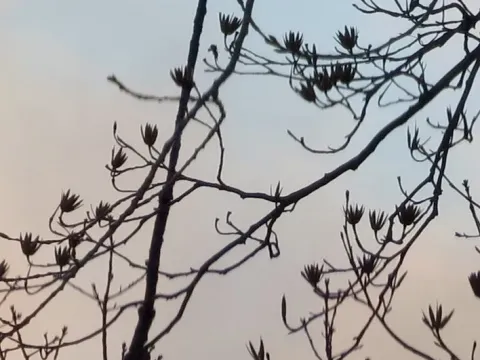
Liriodendron
Liriodendron L.
Liriodendron, commonly known as the tulip tree, is a prominent forestry crop belonging to the Magnoliaceae family. Native to North America, this species is highly valued for its fast growth rate and timber quality, making it a sustainable choice for silviculture in suitable climates.
What the section contains

Liriodendron
Successful cultivation requires deep, fertile, and well-drained loamy soils. The tree thrives in moist environments but is sensitive to waterlogged conditions, making site selection and drainage management essential for plantation health.
The tulip tree prefers sunny locations protected from strong winds, as its timber can be susceptible to mechanical damage during early stages. It requires a stable climate with consistent rainfall during the growing season to reach its full productive potential.
Standard agro-technical practices include balanced fertilization with nitrogen-based compounds to encourage straight trunk development. Regular mulching is recommended to maintain soil moisture levels and prevent weed competition in the plantation area.
Economically, Liriodendron is prized for its high-quality, lightweight timber, often used in cabinetry and furniture manufacturing. Additionally, it serves as a critical nectar source for honeybees, providing significant secondary income potential for apiarists.
Liriodendron is generally resistant to most pests; however, aphid infestations can occur in stressed trees. Integrated pest management strategies, including the use of systemic insecticides, are effective in controlling these outbreaks.
Fungal leaf spot diseases can emerge if tree density is too high or if air circulation is compromised. Proper spacing between trees during initial planting is the most effective preventative measure against these infections.
Root rot remains a potential threat in fields with poor soil drainage. Agronomists must ensure that the plantation site does not accumulate standing water to protect the long-term viability of the root system.
Wildlife, particularly small rodents, may pose a risk to young trees by chewing on the bark during winter months. Protecting stems with physical guards is a standard operational requirement for commercial nurseries and forests.
Routine inspections and sanitary pruning are vital for maintaining tree vigor and preventing the spread of secondary pathogens. A proactive approach to tree health ensures the longevity and high yield of the crop over its growth cycle.