
Dawson's Magnolia
Magnolia dawsoniana
Description
Growing requirements
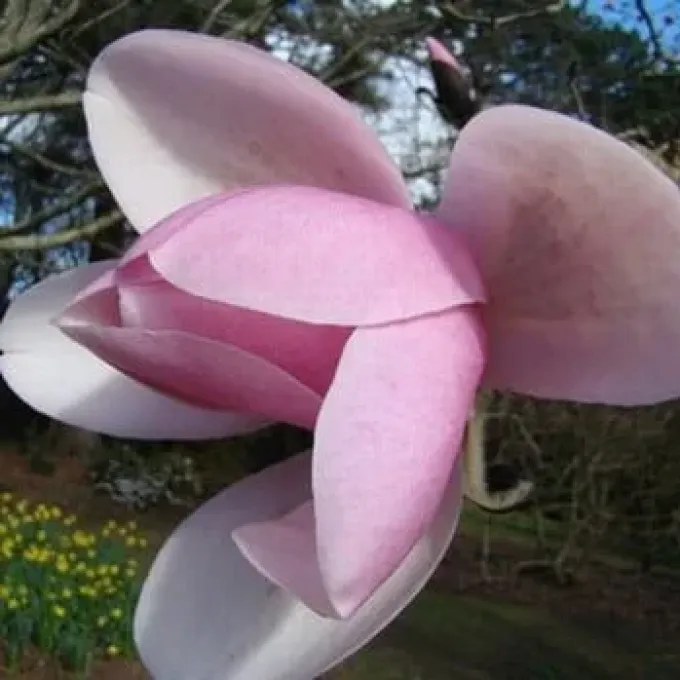
Dawson's Magnolia (Magnolia dawsoniana) is a distinctive deciduous tree from the Magnoliaceae family. Native to the mountainous regions of Sichuan, China, this species is highly prized by collectors for its spectacular, large flowers that bloom in early spring before the foliage appears.
The tree exhibits an elegant, spreading habit, often growing as a small to medium-sized tree in cultivated landscapes. The flowers are typically deep rose or white with long, pendulous tepals, creating a dramatic visual impact when the tree is in full bloom.
To thrive, this plant requires deep, well-draining, humus-rich soil with a slightly acidic to neutral pH. It is crucial to select a site that provides shelter from harsh winter winds and strong afternoon sun, which can scorch the foliage in drier regions.
Climate requirements for Magnolia dawsoniana include temperate conditions with consistent moisture throughout the year. It does not tolerate prolonged drought or waterlogged soil, so careful site selection and the addition of organic matter are necessary for success.
Maintenance includes regular mulching around the root zone to maintain soil moisture and temperature stability. Being a slow-growing species, it requires minimal pruning, which should be done immediately after flowering to maintain the tree's natural shape.
Main diseases and pests
The primary threats to Magnolia dawsoniana include fungal diseases such as leaf spots and powdery mildew, which are often exacerbated by poor air circulation and excessive humidity within the canopy.
Insect pests such as scale insects, aphids, and spider mites can infest the tree, particularly in stressed or improperly watered specimens. Early detection and treatment with appropriate horticultural oils or systemic insecticides are recommended.
Iron chlorosis is a common physiological problem if the soil pH becomes too alkaline. This condition manifests as yellowing of the leaves while the veins remain green, necessitating a soil amendment with chelated iron or acidic fertilizers.
Root rot is a significant concern in poorly drained soils. Ensuring that the planting site has excellent drainage is the most effective preventative measure against this fatal condition that affects the vascular system of the tree.
In regions with fluctuating spring temperatures, late frost can damage both flower buds and emerging leaves. Protecting young specimens during early spring is essential to ensure a full and healthy blooming season.