
Liriodendron sinoamericanum
Liriodendron sinoamericanum
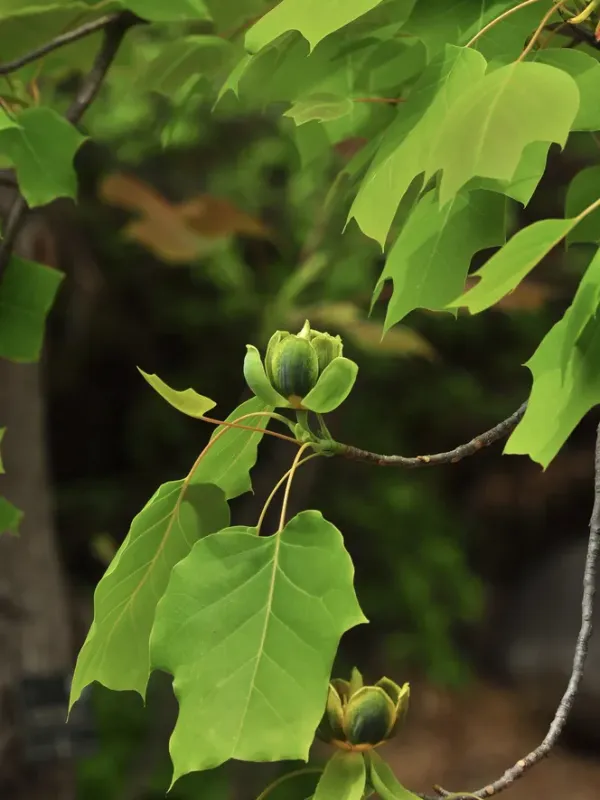
Description
Sowing dates
Propagation of Liriodendron sinoamericanum is primarily achieved through seeds, which require a cold stratification period of two to three months to break dormancy and ensure high germination rates.
Seeds should be sown in the spring once the soil temperature is consistently above 10-12 degrees Celsius. It is vital to maintain consistent soil moisture throughout the germination process.
Cuttings can also be used for vegetative propagation; however, this requires the use of rooting hormones and high-humidity environments to encourage the development of the root system.
Seedlings should be transplanted to their final location when they are two or three years old. Moving the plant with a substantial root ball is essential to minimize stress and prevent root damage.
Planting density depends on the specific management objectives, whether for timber production or ornamental landscape purposes, requiring careful spatial planning in both scenarios.
Growing requirements
Belonging to the Magnoliaceae family, this species thrives in deep, fertile, and well-drained soils. A slightly acidic to neutral pH level is ideal for optimal nutrient uptake.
While the tree requires consistent moisture, it is intolerant of waterlogged soil conditions, which can quickly lead to root rot and other physiological disorders.
The planting site should offer protection from high winds, as the young branches of the tree are relatively brittle and susceptible to breakage during storms.
Liriodendron sinoamericanum requires full sun for vigorous growth but benefits from light shade during its early years to prevent leaf scorch and drought stress.
A temperate climate with moderate winters and warm summers is most suitable. Rapid temperature fluctuations during early spring can damage emerging buds.
Yield
The primary agricultural output of this species is high-quality timber, often referred to as yellow poplar or tulipwood, prized for its stability and ease of processing.
The wood is highly valued in furniture manufacturing, cabinetry, and internal joinery due to its uniform texture and excellent finishing properties when treated correctly.
Yield efficiency in forest plantations is significantly enhanced by diligent silvicultural practices, including regular fertilization, proper spacing, and strategic pruning to maximize trunk length.
The tree also holds significant value in urban forestry and parks, serving as a landmark ornamental specimen due to its unique leaf morphology and attractive flowers.
As a notable honey plant, it provides a crucial source of nectar for pollinators, contributing to the ecosystem services provided by large-scale plantings.
Main diseases and pests
Aphids and scale insects are the most common pests that infest young foliage, sucking plant juices and potentially slowing the overall growth rate of the tree.
Fungal leaf spot diseases may appear in humid environments with poor air circulation, necessitating the use of fungicides and improved pruning practices to open up the canopy.
Verticillium wilt poses a specific risk to members of the Magnoliaceae family, making strict site selection and soil health management critical for successful long-term cultivation.
Proactive management includes regular monitoring for early signs of infestations, balanced nutrient application to boost tree vigor, and proper disposal of diseased plant material.
- Routine sanitary pruning to remove dead or damaged branches.
- Weed control in the root zone to reduce competition for nutrients.
- Monitoring bark condition to detect wood-boring insect activity.