
Vateria copallifera
Vateria copallifera
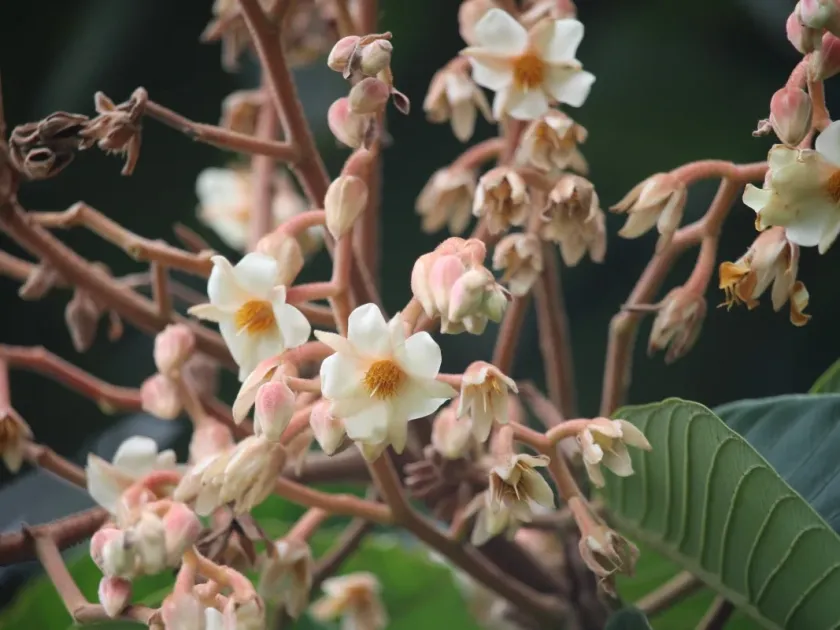
Description
Growing requirements
Vateria copallifera is a distinguished member of the Dipterocarpaceae family, native to the tropical forests of Sri Lanka. It thrives in high-humidity environments and is well-adapted to the consistent rainfall patterns characteristic of its natural habitat.
The cultivation of this species requires deep, fertile, and well-draining soils. While the tree appreciates moisture, it is essential to prevent waterlogging, which can cause root decay in younger specimens.
Climatic requirements are strict: the tree demands a stable tropical temperature ranging between 25 and 30 degrees Celsius. It is highly sensitive to cold, making it unsuitable for cultivation in temperate or subtropical zones without climate control.
Regarding agrotechnical management, site selection is the most critical step. Providing ample space for canopy development is necessary, as mature trees can reach substantial heights and diameters over time.
Consistent soil nutrient management is recommended, particularly for nursery-grown saplings. Using organic mulch helps mimic the natural forest floor, maintaining the appropriate microclimate for root health and expansion.
Harvesting
The primary economic focus for Vateria copallifera is the sustainable extraction of copal resin. This natural product is harvested via careful tapping of the trunk, a traditional method that requires precision to protect the tree's health.
Resin collection occurs during the driest months, ensuring the highest quality and concentration of the plant's exudates. Harvesters ensure that tapping wounds are clean to prevent potential infections or pest infestations.
After collection, the resin undergoes a purification process to remove bark fragments and other botanical debris. This results in high-purity resin, which is highly valued for its stability and aesthetic properties in specialized industries.
The final product is used in the manufacture of high-quality lacquers, varnishes, and incense. Due to its superior adhesive qualities, it remains a sought-after natural material for artisanal and industrial applications.
- Primary Use: High-grade varnish production.
- Tooling: Handheld chisels and scrapers.
- Quality Indicators: Transparency, lack of inclusions, and scent intensity.