
Vateria indica
Vateria indica
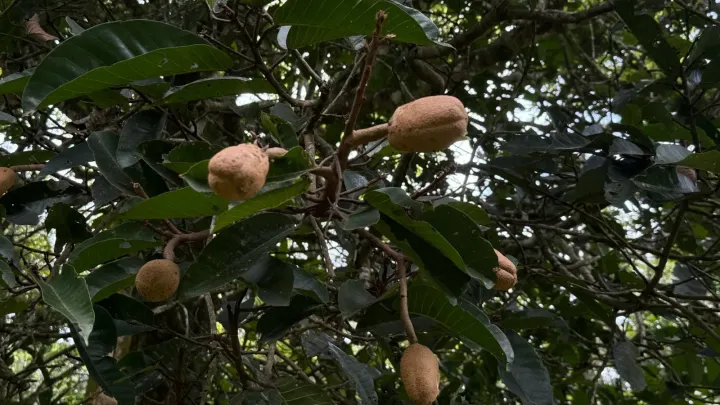
Description
Growing requirements
Vateria indica, commonly known as the white dammar tree, belongs to the Dipterocarpaceae family. It is a large, evergreen tree native to the tropical forests of India, primarily found in the Western Ghats region.
The tree thrives in tropical climates with high annual rainfall and consistent temperatures. It requires a humid environment throughout the year and is intolerant to prolonged droughts or frost conditions.
For optimal growth, it prefers deep, well-drained, fertile soil, typically found in evergreen forest ecosystems. It is highly sensitive to soil compaction and waterlogging, requiring careful site selection.
The species grows slowly, often taking several years to establish a strong root system. In plantation settings, young plants require shading and protection from direct, harsh sunlight.
This tree is considered a vital species for biodiversity conservation, as it provides shelter and resources for numerous tropical bird and insect species within its native habitat.
Harvesting
The primary economic output of Vateria indica is its aromatic resin, known as White Dammar. It is extracted by making incisions in the bark, usually during the dry months following the monsoon season.
The harvested resin is processed into varnishes and paints. Its unique chemical structure provides excellent clarity and durability, making it highly sought after for restoration and high-end coating applications.
The timber of the white dammar tree is durable and resistant to water damage, which makes it ideal for specialized construction purposes, particularly in the manufacturing of boats and canoes.
The seeds of the fruit are processed to extract butter and oil, which have potential applications in the cosmetic industry and traditional medicine due to their soothing properties.
- Site preparation for sustainable extraction
- Incision management to prevent trunk decay
- Seasonal collection protocols
- Processing and grading of resin batches
- Reforestation efforts in native ranges