
Dawn redwood
Metasequoia glyptostroboides Hu et Cheng
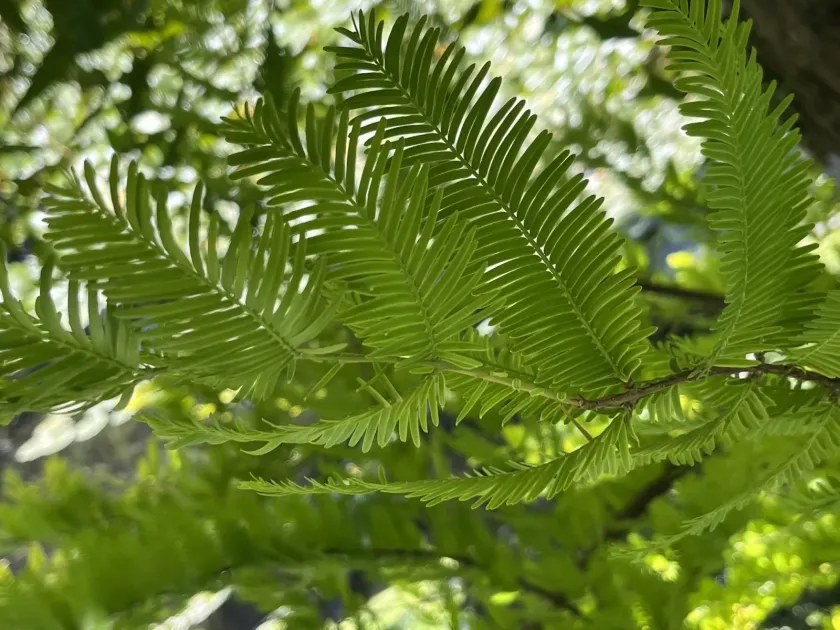
Description
Growing requirements
The Dawn redwood (Metasequoia glyptostroboides) is a deciduous conifer belonging to the Cupressaceae family. Known as a "living fossil," this species was once thought extinct until it was rediscovered in the Hubei and Sichuan provinces of China in the 1940s.
This species requires significant soil moisture for optimal growth. It thrives in locations such as riverbanks, moist valleys, and areas with high water tables, making it an excellent choice for waterlogged sites where many other trees would struggle to survive.
Regarding climate, the tree prefers full sun to light shade and needs protection from heavy, drying winds. While it is hardy and capable of tolerating temperatures as low as -30°C, it performs best in regions with mild winters and humid summers.
The ideal soil for the Dawn redwood is deep, fertile, and slightly acidic. It is important to ensure the planting site is well-drained enough to prevent stagnant water, although the tree is remarkably tolerant of saturated conditions compared to most conifers.
Economically and horticulturally, the Dawn redwood is highly valued as an ornamental tree in parks and large gardens. Its rapid growth rate, elegant conical shape, and stunning copper-red autumn foliage make it a centerpiece in landscape architecture.
Main diseases and pests
The Dawn redwood is generally robust, but it can be susceptible to fungal infections if planted in stagnant air conditions. Common issues include needle blight and root rot, which are often exacerbated by poor air circulation and excessive humidity.
Pests such as spider mites and scale insects can pose a threat during hot, dry spells. These pests colonize the needles and branches, causing wilting, discoloration, and eventual defoliation if left untreated for an extended period.
Preventative care is essential for maintaining tree health. Regular pruning to remove dead or overlapping branches improves airflow within the crown, significantly reducing the likelihood of fungal colonization and pest infestations.
Management of these threats involves the strategic use of fungicides for fungal outbreaks and appropriate acaricides or systemic insecticides for pest control. Always follow label instructions and application timings for maximum efficacy.
Cultural practices such as deep watering during prolonged droughts and avoiding excessive nitrogen fertilization help keep the tree resistant to attacks. A healthy, stress-free tree is naturally better equipped to ward off minor pest and disease challenges.