
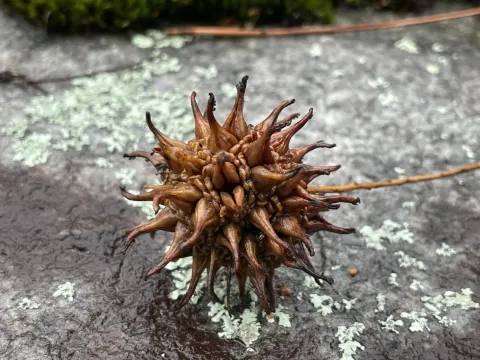
Liquidambar
Liquidambar L.
Liquidambar (Liquidambar L.) is a genus of deciduous trees belonging to the Altingiaceae family. These trees are native to temperate and subtropical regions of North America, East Asia, and the Mediterranean, where they thrive in diverse ecological conditions.
What the section contains


Liquidambar
The crop requires deep, fertile, loamy soils that possess good drainage capabilities. While Liquidambar appreciates consistent moisture, it is susceptible to root rot if the soil becomes waterlogged, necessitating well-aerated ground conditions.
Optimal growth is achieved in full sun exposure. In regions prone to cold winters, young trees require protection from frost, as the tissue can be sensitive to severe temperature drops until the tree reaches maturity.
Agricultural management involves regular irrigation during dry spells to prevent premature leaf drop and stress. Balanced fertilization applied in early spring supports healthy crown development and robust root system architecture.
The economic value of Liquidambar is high, as the wood is widely used in furniture production due to its fine texture. Furthermore, the tree produces a fragrant resin known as storax, which is utilized in pharmaceutical and aromatic industries.
Liquidambar is susceptible to various pathogens that can impact its health and wood quality. Mycosphaerella leaf spot is a common fungal infection that causes foliage damage and can lead to early senescence of the leaves.
Serious threats to the tree's vascular and root systems include phytophthora and fusarium wilt. These soil-borne diseases often lead to tree decline and are difficult to eradicate once established in the root zone.
Bacterial canker and bark necrosis represent significant challenges to tree longevity, often entering through wounds on the trunk or branches. These infections necessitate careful sanitation to prevent the spread of the bacteria within the plantation.
Root-knot nematodes and powdery mildew are also frequent concerns in nursery settings or areas with poor air circulation. These pests and diseases require a proactive approach to maintain plant health and marketability.
Effective management includes maintaining tree vigor through appropriate fertilization and timely pruning of infected wood. Fungicidal treatments should be applied based on local environmental monitoring and disease pressure assessments.