
Oriental sweetgum
Liquidambar orientalis Mill.
Description
Growing requirements
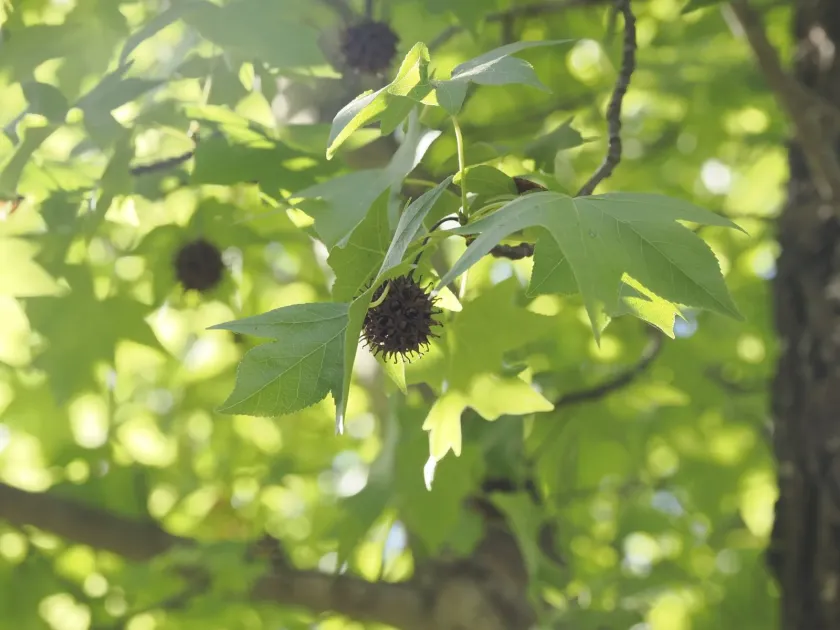
Oriental sweetgum (Liquidambar orientalis Mill.) is a deciduous tree species belonging to the Altingiaceae family. Known for its distinct lobed leaves and potential to yield aromatic substances, it is a significant botanical and economic asset in its native regions.
The natural range of this tree is limited primarily to the southwestern parts of Turkey and certain Aegean islands. It thrives in a Mediterranean-type climate characterized by mild, wet winters and warm, moderately humid springs, which are ideal for its vigorous early development.
Successful cultivation requires deep, fertile, and well-drained soils. The tree is sensitive to waterlogging and poor soil aeration, so site selection should prioritize slopes or well-structured soils to avoid root rot and maintain long-term health.
The species prefers full sun exposure to maintain its dense foliage and achieve the characteristic autumnal coloration. Adequate shelter from cold, drying winds is essential, especially for young saplings, to prevent branch desiccation during the winter months.
Agronomic management includes regular irrigation during the first few years of establishment. Fertilization programs should focus on balanced organic amendments in early spring, combined with mulching to conserve moisture and improve soil structure around the root zone.
Main diseases and pests
Fungal diseases are a primary concern when the tree is grown in areas with poor drainage or excessive humidity. Maintaining proper spacing and air circulation within the canopy is a critical preventive measure against most leaf and root pathogens.
Insect pests, such as aphids and spider mites, may periodically infest the foliage, particularly in stressful weather conditions. Integrated pest management, favoring natural predators and soft chemical interventions, is recommended to keep pest populations at tolerable levels.
Nutrient deficiencies, specifically iron chlorosis, can manifest in alkaline or poorly managed soils. Soil testing and the application of micronutrient supplements can rectify these imbalances, ensuring the tree retains its natural vigor and foliage health.
Winter injury can occur in regions outside the species' traditional climate zone. Protecting the trunk and root area with appropriate mulch and wrapping younger trees can help mitigate damage from sudden temperature drops during the dormant season.
Proactive care involves regular pruning of dead or diseased branches to maintain structural integrity. Using proper sanitation tools and applying protective wound sealants helps prevent the entry of wood-boring insects and decay-causing fungi into the trunk.
Harvesting
The primary economic focus of oriental sweetgum is the extraction of «storax» or «oriental liquidambar balsam». This resin is harvested from the bark of mature trees through controlled techniques and is valued for its unique chemical composition.
Harvesting involves making vertical incisions in the outer bark. The resin is collected as it exudes and solidifies, which then undergoes traditional purification processes, including heating and filtration, to produce the commercial-grade product used globally.
Storax is extensively used in the pharmaceutical industry for its antiseptic and anti-inflammatory properties, particularly in respiratory treatments. Furthermore, its sweet, balsamy aroma makes it a prized ingredient in the high-end fragrance and perfume industry.
The wood of the tree is characterized by a fine texture and high density, making it suitable for cabinetry, decorative woodworking, and fine furniture production. Its workability and aesthetic grain appeal to craftsmen looking for durable, high-quality timber.
In landscaping, the species is highly regarded for its aesthetic contribution to parks and private gardens. Its ability to undergo striking seasonal changes, particularly during the transition to autumn, provides significant ornamental value to urban green spaces.