
American sweetgum
Liquidambar styraciflua L.
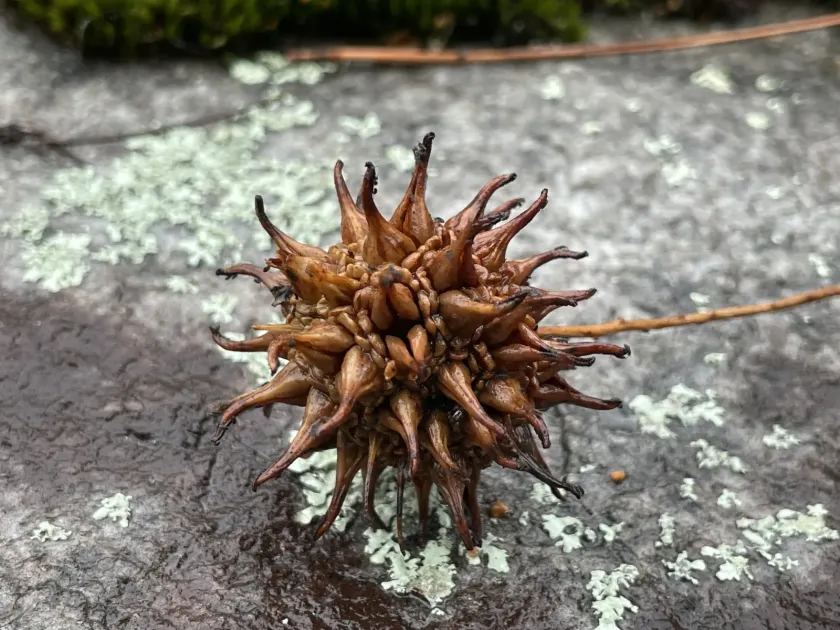
Description
Growing requirements
Liquidambar styraciflua L., commonly known as the American sweetgum, is a prominent member of the Altingiaceae family. It is a large, deciduous tree widely recognized for its star-shaped leaves and unique, corky bark ridges that add significant aesthetic value.
Native to warm-temperate regions of eastern North America, this species thrives in moist, deep, and slightly acidic soils. It is frequently found in river bottoms and swampy areas, indicating its high tolerance for soil moisture provided the drainage is adequate.
Cultivation requires careful attention to site selection, as the species performs best in full sun. While it can adapt to various conditions, the tree struggles in alkaline or severely dry, sandy soils, which can lead to iron chlorosis and stunted growth.
Agrotechnical management involves supplemental irrigation during prolonged dry spells, especially for young saplings. Mulching is highly recommended to maintain soil moisture levels and regulate the temperature around the root zone.
In terms of economic value, the tree is harvested for its heavy, straight-grained wood, widely used in furniture making and plywood production. Additionally, the aromatic resin, or storax, is extracted for use in the fragrance and pharmaceutical industries.
Main diseases and pests
The sweetgum is generally robust, but it can be susceptible to various fungal issues, including leaf spot diseases and bleeding necrosis, often triggered by environmental stress.
Pest populations, such as webworms and scale insects, can occasionally reach levels that require intervention. These pests primarily impact the foliage and can lead to early defoliation if left unchecked.
Root rot is a significant concern in sites with poor drainage or where the soil remains waterlogged for extended periods, leading to vascular damage.
Site sanitation, including the removal of dead or diseased branches, is an essential practice to limit the spread of pathogens throughout a grove or nursery.
Integrated pest management strategies focusing on promoting tree vigor are the most effective way to prevent outbreaks and ensure the longevity of the plantation.