
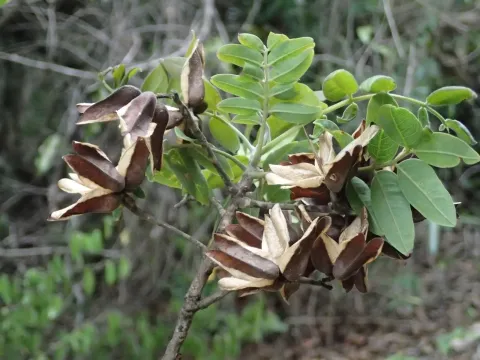
Cedrelopsis
Cedrelopsis Baill.
Cedrelopsis is a genus of trees belonging to the Rutaceae family, primarily native to the island of Madagascar. These trees are well-adapted to the unique environmental conditions of the island's arid and semi-arid forest ecosystems.
What the section contains

Cedrelopsis
Regarding soil requirements, Cedrelopsis thrives in well-drained substrate, often occurring in rocky or sandy soils. It is highly adapted to nutrient-poor environments where moisture regulation is key to tree survival during the dry season.
The climate requirements for this culture are strictly tropical. Cedrelopsis demands high levels of sun exposure and a constant temperature range typical of the Malagasy climate, being intolerant to frost or cold stress.
Botanically, these trees are recognized for their slow growth rate, which contributes to the development of high-density wood. This structural feature is a key characteristic that defines the quality of the timber produced by the genus.
The genus also exhibits high adaptability to seasonal variations in water availability. The physiology of the tree allows it to maintain metabolic processes despite prolonged periods of drought, reflecting its evolutionary success in Madagascar.
The primary commercial use of Cedrelopsis centers on its high-quality timber. It is highly valued in woodworking for its robustness, natural resistance to pests, and excellent texture that makes it suitable for fine carpentry.
Beyond timber, parts of the Cedrelopsis tree are known to contain aromatic compounds and essential oils. These extracts are increasingly investigated for use in the perfume industry due to their complex and distinctive woody scent profiles.
Traditional and ethnobotanical uses of the plant also exist within its native range. Research is ongoing to determine the pharmaceutical potential of the active secondary metabolites found within its leaves and bark.
Sustainable harvesting is crucial for this genus. Given its slow growth rate, intensive logging would threaten local populations, necessitating a focus on careful forest management and controlled exploitation practices.
Market demand for specialty woods and natural aromatic extracts continues to drive interest in Cedrelopsis. Balancing this commercial interest with conservation efforts remains the primary goal for regional forestry agencies.