
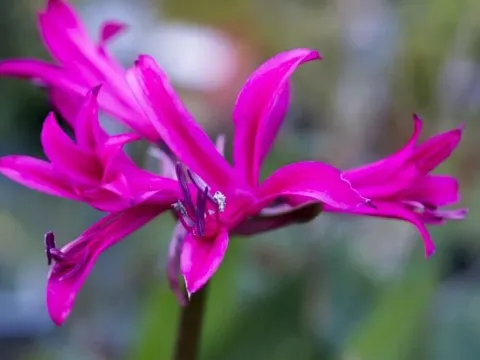
Amarine tubergenii
x Amarine tubergenii Sealy
Amarine tubergenii is a distinctive intergeneric hybrid resulting from the cross-pollination of Amaryllis belladonna and Nerine bowdenii. The planting of bulbs in open fields is typically conducted in the spring, once the threat of frost has passed and the soil has reached a stable temperature of at least 12–15 degrees Celsius.
What the section contains
Amarine tubergenii
When placing the bulbs, it is critical to plant them at a depth where the neck remains at or slightly above the soil surface level. This specific planting technique helps prevent bulb rot and encourages the development of a healthy flower stalk before the foliage matures.
Effective site preparation includes installing a drainage layer at the bottom of the planting hole, utilizing coarse sand or gravel to prevent water stagnation. Amarine thrives in loose, well-draining, and nutrient-rich soil with a neutral to slightly acidic pH balance to facilitate optimal root respiration.
Space the bulbs approximately 20–25 centimeters apart to ensure adequate airflow and prevent competitive stress between plants. In regions with harsh winters, this crop is commonly treated as a container plant, allowing for the convenient relocation of pots to frost-free indoor environments during the colder months.
Vegetative propagation via offsets is the primary method for increasing plant populations, as offsets are carefully separated during the plant's dormant phase. Seed propagation is rarely practiced in commercial settings due to the significant time required to reach maturity and flowering stages.
Amarine tubergenii requires high levels of solar radiation, necessitating a planting site in full sun protected from strong winds. Sufficient sunlight is crucial for energy accumulation in the bulb, which directly dictates the quality and abundance of the subsequent flowering season.
The watering regime should be moderate yet consistent during the active growth phase, strictly avoiding waterlogged conditions which are lethal to the bulbs. Once the flowering period concludes and the foliage begins to senesce, irrigation must be significantly reduced to induce the necessary dormancy.
The ideal temperature range for active growth is between 20 and 25 degrees Celsius. For regions without severe winters, mulch protection may suffice, but in most climates, the bulbs should be stored in a cool, ventilated area at approximately 10–12 degrees Celsius during the resting period.
Soil enrichment through high-quality compost or organic matter is essential for vigorous plant development. Monitoring soil pH is vital, as excessive alkalinity can interfere with iron uptake, potentially leading to chlorotic conditions in the leaves.
Fertilization should focus on potassium and phosphorus-rich formulas during the budding stage to support structural integrity and bloom size. Excessive nitrogen application should be avoided, as it encourages excessive vegetative growth at the expense of flower production.
Grey mold (Botrytis) is a significant threat to Amarine populations, particularly in environments with high humidity and poor ventilation. Regular inspections are necessary to identify early spotting, followed by immediate application of systemic fungicides to manage the infection.
Common pests include the amaryllis mealybug and various species of mites, which can sap the plant's vitality and facilitate the entry of pathogens. Pre-planting treatment of bulbs with appropriate insecticides is a recommended standard practice to maintain overall crop health.
Soil-dwelling insects can cause root damage that serves as an entry point for secondary bacterial infections. Maintaining a weed-free environment and ensuring strict field sanitation are key components of an effective integrated pest management strategy for this crop.
Storage conditions play a pivotal role in preventing mold outbreaks; proper air circulation and regular monitoring of stored bulbs are required. Any bulbs displaying signs of decay or softness must be discarded immediately to prevent the spread of contamination throughout the stock.
When applying mulch, ensure it does not come into direct contact with the bulb neck to prevent moisture retention and subsequent rotting. Implementing a disciplined crop rotation schedule helps reduce the accumulation of soil-borne pathogens and supports long-term success in plant health.