
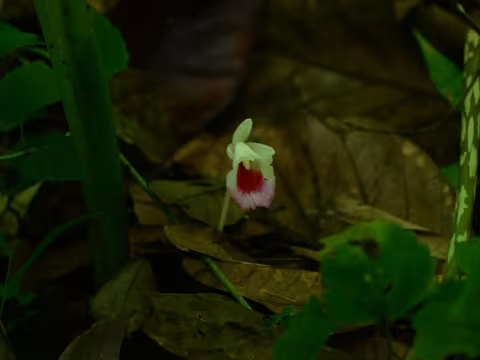
Boesenbergia
Boesenbergia
Boesenbergia is a perennial herb belonging to the Zingiberaceae family. It originates from the tropical rainforests of Southeast Asia, thriving in regions with high ambient humidity and stable temperatures.
What the section contains

Boesenbergia
The plant requires a warm tropical climate with ideal temperature ranges between +22°C and +30°C. It is highly intolerant to cold, and frost exposure will cause irreversible damage to the rhizomes and foliage.
Soil requirements include a well-draining, loose structure rich in organic matter. A neutral to slightly acidic soil reaction is essential to promote root health and nutrient absorption for the underground rhizomes.
Boesenbergia is adapted to shade, making it suitable for cultivation under tree canopies or in shaded greenhouse environments. Direct sunlight can cause leaf scorching and disrupt the plant's natural growth cycle.
Adequate moisture is critical for success. While the soil should never be waterlogged, the surrounding air humidity must be kept high to mimic the plant's native habitat, often requiring misting or specialized irrigation systems.
Fungal diseases are the primary threat to Boesenbergia production. Rhizome rot, often caused by overwatering or poor drainage, can quickly destroy the plant, leading to total yield loss.
Leaf spot diseases, which manifest as discolored lesions on the foliage, weaken the plant's photosynthetic capacity. Effective management includes removing infected leaves and ensuring sufficient air circulation between plants.
Nematodes represent a significant pest threat, specifically targeting the root system and causing stunted development. Prevention through soil sterilization and the use of clean planting stock is the most reliable control method.
Spider mites and aphids may infest the plants, especially in dry greenhouse conditions. These pests suck the sap from tender leaves, leading to yellowing and potential transmission of viral plant diseases.
Integrated Pest Management (IPM) is encouraged to maintain the quality of the rhizomes, especially if intended for culinary or medicinal use, by minimizing the reliance on harsh synthetic pesticides.
Harvesting Boesenbergia occurs once the vegetative stage is complete and the above-ground foliage begins to turn yellow and die back. This transition indicates that the rhizomes have reached their full maturation.
The rhizomes are carefully extracted from the soil, taking care to minimize mechanical damage to the sensitive flesh. Once harvested, they are cleaned of soil debris and prepared for processing or immediate use.
Drying is a critical step in post-harvest handling. The rhizomes are dried under controlled conditions to stabilize them and preserve the essential oils and flavor compounds that make them valuable in gastronomy.
The crop is highly regarded for its aromatic profile, often used as a delicate spice. Additionally, its secondary metabolites are of great interest for pharmaceutical and herbal medicine applications.
Proper storage is essential to prevent degradation and mold growth. Rhizomes should be stored in a cool, dry, and well-ventilated area to maintain high-quality standards throughout the shelf life of the product.