
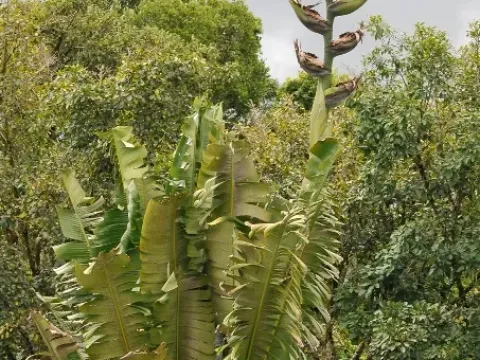
Phenacospermum
Phenacospermum
Phenacospermum is a genus of large, herbaceous perennial plants belonging to the Strelitziaceae family. These plants are closely related to the famous Strelitzia and banana plants, characterized by massive foliage and an imposing architectural structure that can reach up to 8 meters in height.
What the section contains
Phenacospermum
Native to the tropical rainforests of South America, specifically the Amazon basin, Phenacospermum thrives in environments with high humidity and consistent tropical temperatures. It is highly sensitive to cold and cannot withstand temperatures near freezing.
The cultural requirements include fertile, well-draining soil that is rich in organic matter. A slightly acidic soil pH is preferred, reflecting the natural forest floor conditions where these plants originate and thrive in the wild.
When selecting a site, it is crucial to provide bright, indirect light. Direct tropical sun can sometimes be too intense for the broad leaves, leading to scorching, so filtered light or light shade provided by taller canopy trees is ideal for their development.
In terms of practical use, Phenacospermum is valued primarily as a focal point in tropical landscapes and botanical collections. Its impressive size and fan-shaped leaf arrangement make it a popular choice for large gardens, parks, and specialized conservatory displays.
Root rot represents the primary threat to the crop, usually caused by poor soil drainage and waterlogging. Ensuring a highly permeable substrate is the most effective management strategy for maintaining plant health.
Common pests include spider mites and scale insects, which often appear when the ambient air humidity drops too low. Regular monitoring of the foliage and periodic misting are recommended to keep these pests under control in dry periods.