
Traveler's tree
Ravenala
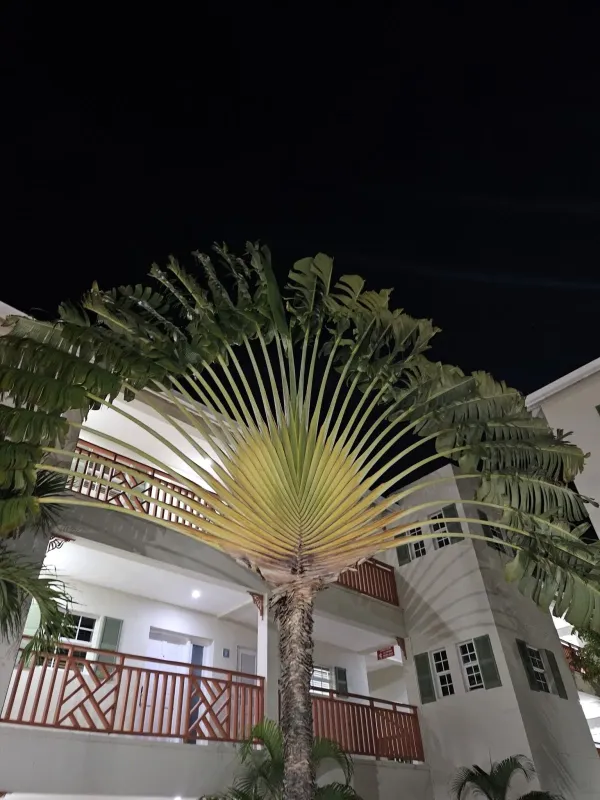
Description
Growing requirements
Ravenala madagascariensis, widely known as the traveler's tree, is a unique member of the Strelitziaceae family. Despite its common name and palm-like appearance, it is a giant herbaceous perennial with large, paddle-shaped leaves.
Native to Madagascar, the plant is adapted to tropical environments. It thrives in sunny locations where it can receive maximum light exposure, which is essential for maintaining its symmetrical, fan-shaped structure.
The soil requirements for this crop include high fertility, organic matter richness, and superior drainage capabilities. Waterlogging is a significant risk factor; therefore, loamy soils with good structural integrity are preferred.
Climate conditions must remain tropical, ideally with temperatures ranging between +20°C and +30°C. It is extremely cold-sensitive and requires protection from frost and cold wind to prevent damage to the succulent tissues.
Beyond its ornamental use, the traveler's tree serves an ecological function in its native habitat. Its large leaf bases act as reservoirs for rainwater, providing a water source for various fauna in the ecosystem.
Main diseases and pests
Scale insects and mealybugs represent the primary pest threats to the plant. These insects suck sap from the leaves, causing stunted growth and potentially introducing secondary viral or fungal infections.
Root rot, primarily caused by Phytophthora species, is a common threat in poorly drained soils. Symptoms include wilting, discolored leaves, and a soft, decaying root system that eventually leads to plant death.
Leaf spot diseases are common when humidity is too high without adequate air circulation. Fungicide treatments are necessary if infections become widespread across the large foliage surfaces.
Nutrient deficiency, particularly nitrogen and potassium, often manifests as marginal leaf necrosis. Maintaining a consistent fertilization schedule is essential for sustaining the massive biomass of the plant.
Regular monitoring of the leaf axils is crucial, as these areas can collect moisture and debris, creating a breeding ground for pests and rot-causing pathogens if not managed properly.