
Phenakospermum guyannense
Phenakospermum guyannense
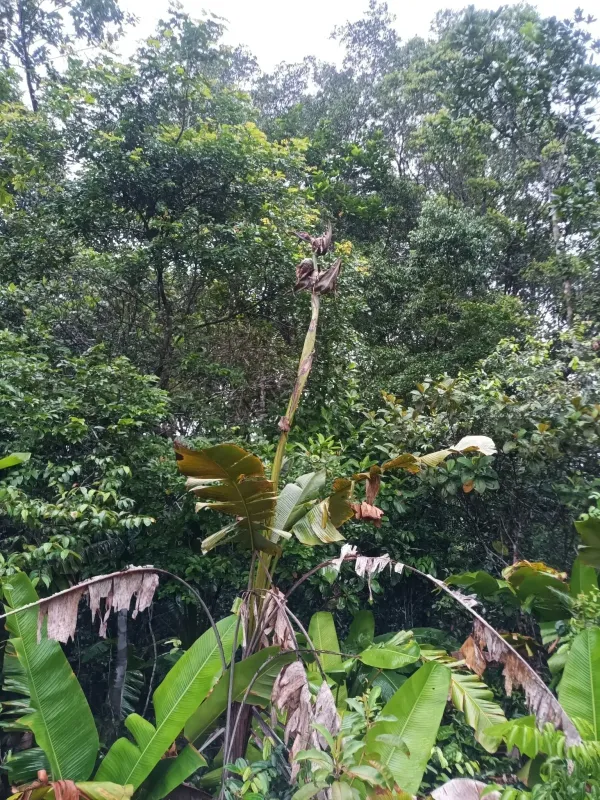
Description
Growing requirements
Phenakospermum guyannense is a unique plant species belonging to the Strelitziaceae family. It is distinguished by its impressive tree-like stature, which can reach heights of several meters, creating a distinct tropical landscape appearance similar to the traveler's palm.
Native to the tropical regions of South America, this plant thrives in environments that mimic rainforest conditions. It requires high humidity and consistent warmth throughout the year, as it lacks the physiological mechanisms to withstand freezing or chilling temperatures.
When selecting a planting site, it is crucial to ensure deep, well-draining, and nutrient-rich soil. The root system is extensive, meaning that the plant requires sufficient underground space to establish stability and access the necessary moisture for its massive foliage.
Lighting requirements involve a balance between bright light and partial shade. While young plants may require protection from the intense midday sun, mature specimens are generally robust enough to handle high light levels provided that soil moisture remains consistent.
In terms of practical use, Phenakospermum guyannense is almost exclusively grown as an ornamental plant in tropical landscaping. Its sheer size and aesthetic appeal make it a popular choice for botanical displays and large-scale architectural garden designs.
Main diseases and pests
Pathogen threats primarily include fungal infections that manifest as leaf spots or stem rot. These often occur in settings where air circulation is poor or where excess moisture accumulates around the base of the plant during the cooler parts of the day.
Pest issues usually involve common tropical greenhouse or outdoor pests such as spider mites and mealybugs. Effective management includes regular monitoring of leaf undersides and maintaining proper spacing between plants to prevent the rapid spread of infestations.