
Jankaea heldreichii
Ramonda heldreichii
Description
Growing requirements
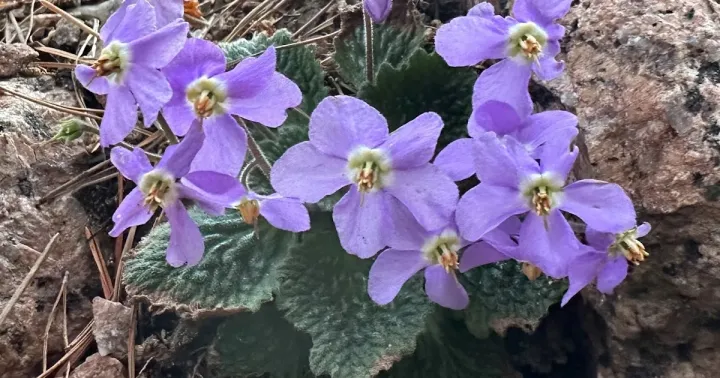
Jankaea heldreichii is a distinct perennial plant within the Gesneriaceae family. It is a specialized lithophyte, native to the limestone cliffs of Greece, adapted to grow in narrow crevices where soil availability is extremely limited.
The botanical structure of this species is characterized by a basal rosette of thick, woolly leaves that help the plant retain moisture. It is renowned for its resilience, capable of surviving severe dehydration and reviving efficiently when water becomes available again.
Cultivation requires replicating these specific high-altitude conditions. A well-draining, gritty, and lime-rich substrate is essential for success. Standard potting mixes are unsuitable, as they tend to hold too much moisture, which is lethal to this plant.
Climate preferences involve a cool and humid environment with protection from direct, intense sunlight. Position in a rock garden should be chosen to mimic natural shade provided by stone outcrops, ensuring the plant remains cool even during summer months.
Maintenance is minimal but demands precision. Water should be applied carefully to the root zone, avoiding contact with the crown. Over-fertilization should be strictly avoided, as the plant has evolved to thrive in nutrient-poor environments.
Main diseases and pests
Fungal pathogens represent the primary threat to Jankaea heldreichii, especially when drainage is inadequate. Root rot and collar rot can occur rapidly if the plant is left in a soggy medium, leading to the collapse of the rosette.
In greenhouses or controlled environments, pests like spider mites can be problematic. Keeping the humidity balanced and the foliage clean is vital to preventing these infestations, as dry air often encourages mite proliferation.
Gastropods, including snails and slugs, are attracted to the soft, hairy leaves of the plant. Using sharp gravel barriers around the crown is an effective traditional method to discourage these pests from reaching the foliage.
Winter conditions in non-native climates require careful management. Protecting the plant from excessive freezing rain and standing water is essential, as the combination of cold and wet is usually fatal for this species.
Improper airflow is a hidden threat that leads to secondary bacterial infections. Ensuring that the foliage can dry quickly after being dampened is key to maintaining a healthy specimen and preventing leaf spots.