
Phinaea pulchella
Phinaea pulchella
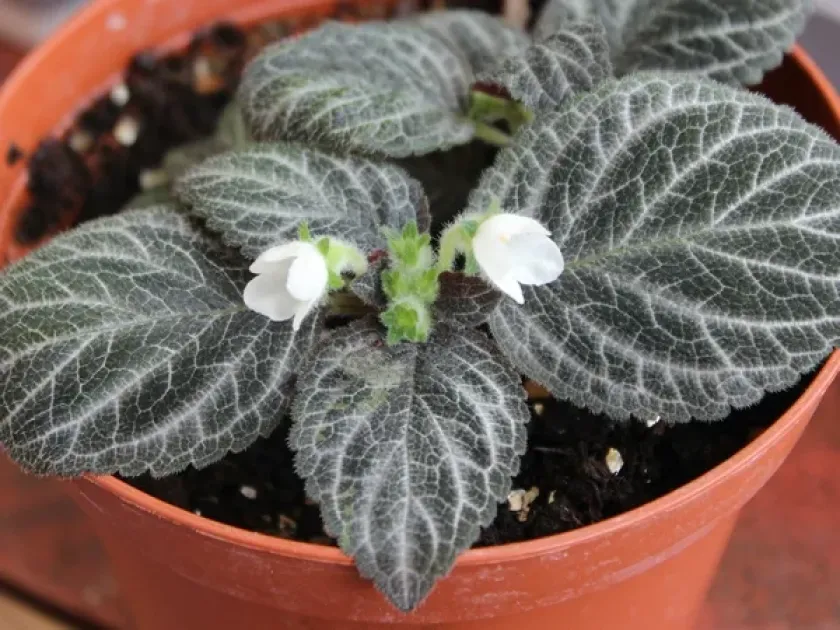
Description
Sowing dates
Phinaea pulchella, a member of the Gesneriaceae family, is a miniature herbaceous perennial prized for its delicate foliage and compact growth habit.
Propagation is typically initiated by sowing minute seeds on the surface of a moist, sterile growing medium, avoiding any soil coverage to ensure adequate light exposure.
Success depends on maintaining a high humidity level during the germination phase, often facilitated by covering the seed trays with clear plastic or glass.
Vegetative propagation via rhizome division is also common, allowing growers to increase their stock while ensuring the health of the parent plant.
Patience is required, as the slow-growing seedlings need consistent care and protection from drafts and temperature extremes during the early stages.
Growing requirements
This species thrives in bright, filtered light and should be protected from harsh, direct sunlight that can scorch its sensitive, textured leaves.
The plant requires a well-draining, airy substrate composed of peat moss and perlite to maintain a healthy root system and prevent compaction.
Consistent moisture is vital, yet the grower must avoid waterlogging, which often leads to the decline of the rhizomatous root system.
Maintaining high ambient humidity is crucial, as Phinaea pulchella naturally prefers environments similar to the humid forest floors of its native habitat.
Regular but diluted fertilizing during the active growing season promotes robust foliage growth and enhances the plant's natural bloom cycles.
Main diseases and pests
Pests such as spider mites and mealybugs are the primary threats, often proliferating when the air quality is too dry or stagnant.
Root rot, induced by excessive irrigation or poor drainage, remains the most frequent cause of plant mortality among hobbyist growers.
Botrytis or powdery mildew may develop if the plant is kept in conditions with poor air movement and high surface moisture on the leaves.
Effective management involves consistent sanitation, prompt removal of any decaying plant material, and the use of preventative environmental controls.
In case of severe infestations, targeted use of horticultural soaps or systemic insecticides is recommended to preserve the specimen's health.