
Lysionotus
Lysionotus hybrids
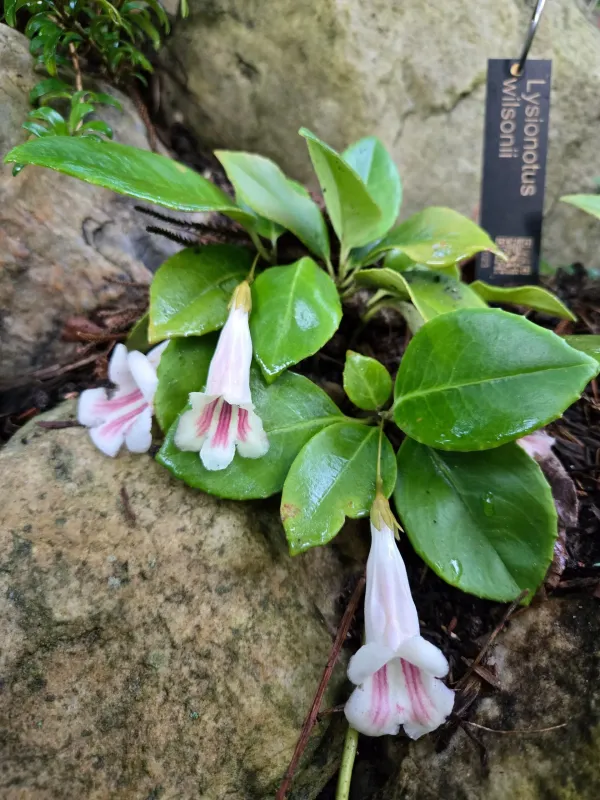
Description
Growing requirements
Lysionotus is a genus of perennial plants belonging to the Gesneriaceae family. Known for their tubular flowers and attractive foliage, these plants are native to the mountainous forests of East and Southeast Asia, where they typically grow as epiphytes or lithophytes on rocks and trees.
To cultivate these plants successfully, a stable temperature environment between 18°C and 24°C is essential. They thrive in areas with high ambient humidity, mimicking their natural habitat, which is why they are often suited for greenhouse conditions or specialized indoor terrariums.
The planting substrate must be loose, well-draining, and rich in organic matter. A typical mixture includes orchid bark, perlite, and long-fibered sphagnum moss. This composition ensures that the delicate roots receive sufficient oxygen while maintaining the necessary moisture balance.
Regarding light requirements, Lysionotus prefers bright, filtered light. Exposure to direct midday sun should be avoided, as it can easily scorch the leaves. Placing the plants near an east-facing window or using artificial grow lights provides the optimal light intensity for sustained health.
In terms of usage, Lysionotus hybrids are primarily valued as ornamental plants. Their unique growth habit and delicate blooms make them a prized addition to botanical collections and specialized plant displays, where they can be showcased effectively in hanging baskets or wall-mounted planters.
Main diseases and pests
The most common threats to Lysionotus include various root and stem rots, typically caused by overwatering or poor drainage. Excess water accumulation in the substrate prevents gas exchange, leading to the rapid decay of the plant's root system.
Pests such as mealybugs and spider mites are frequent visitors, especially in environments with low air circulation. These pests extract sap from the leaves and stems, leading to stunted growth, leaf discoloration, and general weakening of the plant structure.
Effective management involves maintaining good hygiene and sanitation in the growing area. Removing debris, ensuring proper ventilation, and quarantining new arrivals can significantly reduce the risk of infestation and disease outbreaks in a collection.
When chemical interventions are necessary, it is critical to select systemic pesticides that are safe for indoor plants. Always follow label instructions and ensure that the plant is treated thoroughly, targeting both the foliage and the growing medium where pests may hide.
Proactive care, including monitoring for early signs of distress, is the key to maintaining healthy Lysionotus. By ensuring the substrate remains only slightly moist and avoiding overhead irrigation, growers can successfully mitigate the majority of common biological threats.