
Loxostigma griffithii
Loxostigma griffithii
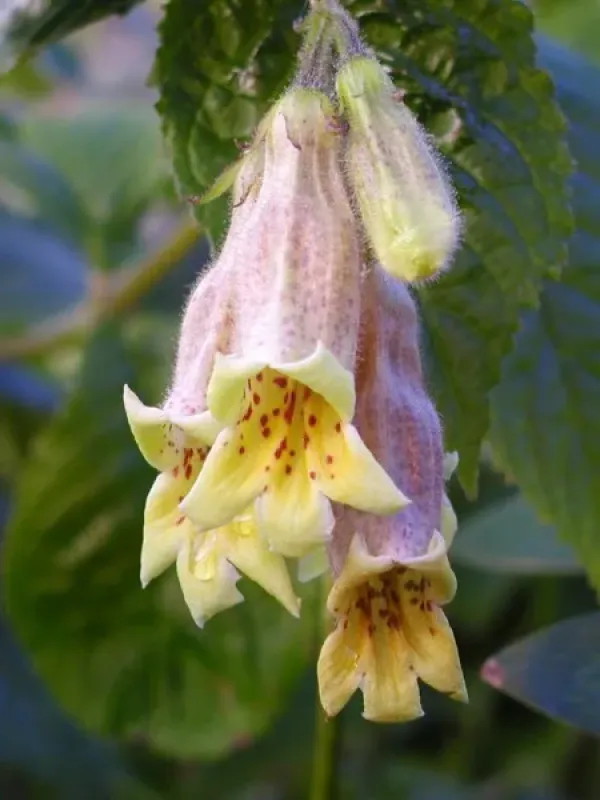
Description
Growing requirements
Loxostigma griffithii is a distinctive perennial plant belonging to the Gesneriaceae family. Originating from the misty Himalayan foothills and parts of Southeast Asia, it is highly valued for its exotic aesthetic qualities.
This species thrives in environments that mimic its natural mountain forest habitat. It requires bright but filtered light, as direct sunshine can easily damage the foliage during the peak growing season.
Climate control is crucial for this plant; it prefers moderate temperatures ranging between 18°C and 24°C. Excessive heat or cold drafts must be avoided to prevent physiological stress to the plant structure.
The substrate must be light, porous, and rich in organic matter. A mixture containing peat, pine bark, and perlite provides the necessary aeration that the sensitive root system requires for healthy development.
Maintenance involves frequent, light watering using soft water. It is essential to keep the humidity high, which can be achieved through group plantings or the use of specialized ultrasonic humidifiers.
Main diseases and pests
Root rot is the most common threat to Loxostigma griffithii, usually caused by overwatering or poor drainage systems. Utilizing deep pots with ample drainage holes is a mandatory cultural practice.
Pests, particularly spider mites and mealybugs, tend to target plants grown in poorly ventilated areas. Regular inspection and maintaining good air circulation are the best defensive measures against infestations.
Fungal diseases like botrytis may develop if the foliage remains wet for extended periods. Directing water to the substrate instead of the leaves effectively mitigates this risk in a controlled environment.
Nutrient deficiencies can present as leaf yellowing, requiring careful monitoring of pH levels in the soil. Balanced, dilute liquid fertilizers applied during the growing season help sustain plant vigor.
Integrated pest management, including biological controls or gentle insecticidal soaps, should be implemented if minor infestations occur. Avoiding chemical harshness preserves the plant's delicate tissues.