
Haberlea
Haberlea
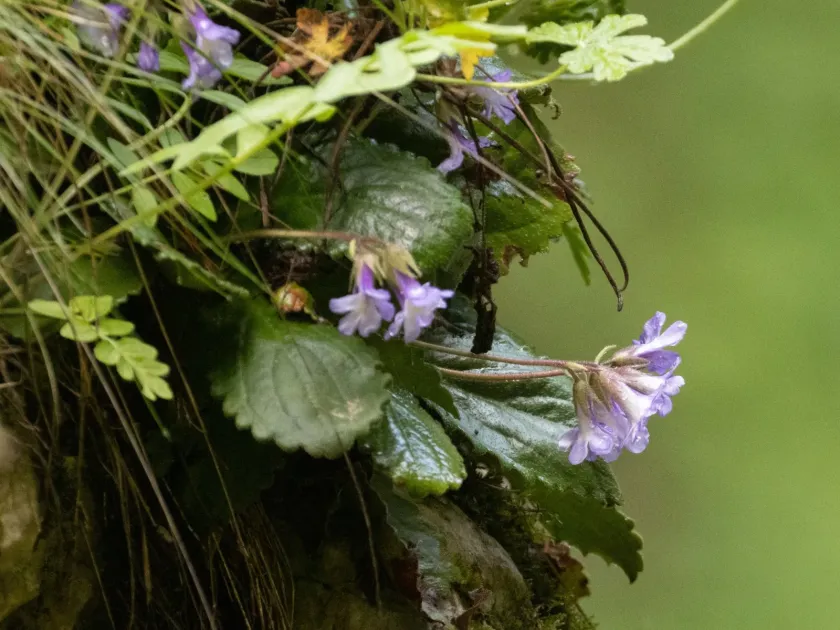
Description
Growing requirements
Haberlea is a unique genus of perennial plants belonging to the Gesneriaceae family. Originating from the Balkan Peninsula, specifically Bulgaria and Greece, these plants have evolved to thrive in specialized, harsh mountain environments.
The natural habitat of Haberlea consists of limestone rock crevices, which dictates its specific soil requirements. They need highly porous, well-draining, and slightly alkaline substrate to prevent water accumulation near the root system.
A defining biological characteristic of this plant is its poikilohydric nature. This allows Haberlea to survive extreme desiccation by entering a state of dormancy, only to rapidly recover its foliage and metabolic activity upon rehydration.
For cultivation, site selection is crucial; these plants perform best in shaded or semi-shaded areas. They cannot tolerate direct exposure to harsh midday sun, which can dehydrate the leaves beyond their recovery threshold.
The plant demonstrates high cold tolerance, making it suitable for temperate climates. However, the most important aspect of its management is ensuring winter drainage, as trapped water around the crown during freezing weather is fatal to the plant.
Main diseases and pests
The primary threat to Haberlea in cultivation is fungal rot caused by excessive soil moisture and poor air circulation. Prolonged dampness around the base of the plant facilitates the growth of pathogens that destroy the foliage.
Gastropod pests, such as slugs and snails, represent a significant threat to the plant's health. They are particularly active during the spring season and can quickly consume the fleshy leaves, significantly reducing the plant's ornamental value.
Root system health is often compromised by using heavy or peaty soils that do not provide adequate oxygen. This leads to asphyxiation of the roots and increases the vulnerability of the plant to soil-borne diseases.
Prevention of these issues requires a strict approach to watering: the substrate should be allowed to dry out between sessions. Providing a top dressing of grit or gravel around the crown is also recommended to ensure the leaves stay dry.
When implementing pest control, organic barriers are preferred to avoid chemical damage to the sensitive leaves. Regular monitoring and maintaining a clean environment around the plant are the best defenses against common gardening threats.