
Gloxinia
Gloxinia L'Her.
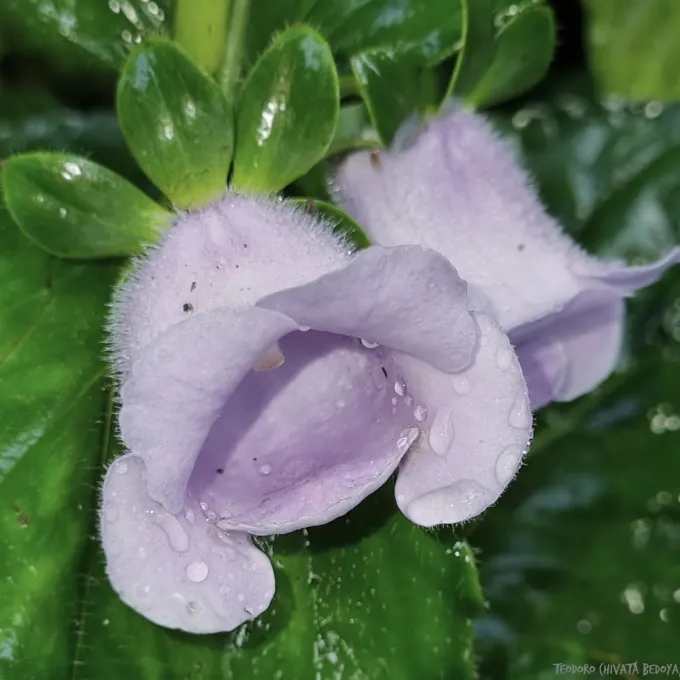
Description
Sowing dates
Propagation of Gloxinia by seeds is usually carried out in the winter period, between late January and March. To ensure germination, seeds require high humidity and stable temperatures ranging from 22 to 24 degrees Celsius.
When sowing, seeds are spread over the surface of a loose substrate without covering them with soil, as they are very fine and need light to germinate. Containers are covered with glass or film to maintain a greenhouse effect.
Seedlings typically emerge 10–14 days after sowing. Once the first true leaves appear, seedlings must be carefully pricked out into individual pots to support the development of the root system.
Alternative propagation methods include using leaf cuttings or tuber division. Cuttings are performed in spring or summer by placing the leaf in water or moist sand until roots develop.
Growing from a tuber allows one to obtain a mature flowering plant significantly faster than from seeds. The ideal time for planting tubers into the soil is typically February or early March.
Growing requirements
Gloxinia belongs to the Gesneriaceae family and is a perennial herbaceous plant with a distinct dormant period. In the wild, the culture originates from the tropical forests of South and Central America.
The plant is highly demanding regarding lighting: it needs bright but indirect light. Direct sunlight can cause burns on the delicate velvety leaves, so east or west-facing windows are preferred.
The optimal temperature for vegetation is 20–22 degrees Celsius. It is important to avoid sudden temperature fluctuations and drafts, which can negatively affect the plant's condition and the quality of blooms.
The soil must be light, nutrient-rich, and slightly acidic. Ready-made potting mixes for Saintpaulia are ideal, with added perlite or vermiculite to improve aeration.
Watering requires special caution: moisture should not touch the leaves or the center of the rosette to avoid rot. It is recommended to use bottom watering via a tray or careful watering along the pot edge using room-temperature settled water.
Main diseases and pests
The primary threat to the crop is root rot, which occurs when there is stagnant moisture in the soil. Signs of the disease include wilting leaves despite moist soil and darkening of the tuber.
A common pest of Gloxinia is the cyclamen mite, which is almost invisible to the naked eye. It causes deformation of the leaves, curling of the edges, and stunted growth of the central bud.
Thrips can also infest the plant, leaving characteristic silvery trails on the leaf blades. Systemic insecticides, used in strict accordance with the instructions, are applied to combat these pests.
Powdery mildew manifests as a white coating on the leaves. The main cause is high air humidity combined with poor ventilation; therefore, prevention includes regular airing of the room.
Maintaining a strict watering regimen and quarantining new plants are key prevention methods. If symptoms appear, isolate the Gloxinia and apply specialized fungicides or acaricides immediately.
Harvesting
After the flowering season, which lasts until late autumn, the plant begins to prepare for dormancy. The leaves gradually turn yellow and die off — this is a natural biological process.
During this period, it is necessary to gradually reduce watering and eventually stop it completely, allowing the aerial part to dry out entirely. Dry stem remnants are carefully trimmed, leaving a small stump about 1–2 centimeters high.
Gloxinia tubers are stored either in the same pot with dry soil or removed and placed in bags with vermiculite. The optimal place for wintering is a cool, dark room with temperatures around 12–15 degrees.
During storage, it is important to check the condition of the tubers once a month to prevent them from drying out or rotting due to mold. If a tuber appears too shriveled, the substrate around it can be slightly moistened.
The tubers "wake up" in the spring when temperatures rise and regular watering resumes. This is the final stage of the cycle, after which the plant is repotted into fresh nutrient soil for a new growing season.