
Slipper flower
Calceolaria grandiflora
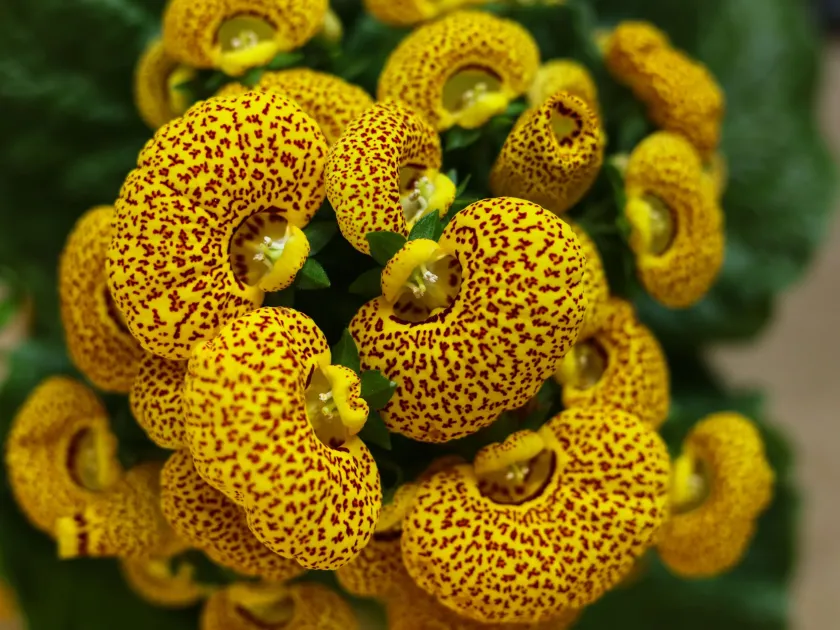
Description
Sowing dates
Sowing seeds of Calceolaria grandiflora is typically scheduled for late summer or early autumn. This timing is essential to allow the plant to develop a strong rosette of leaves before the blooming season begins.
The tiny seeds should be sown on the surface of the soil without burying them, as they require light to germinate. It is important to cover the containers with glass or plastic to maintain high humidity.
The optimal temperature for seed germination ranges from 18 to 20 degrees Celsius. Seedlings usually emerge within two to three weeks if the substrate remains consistently moist.
Pricking out the seedlings should occur once the first few true leaves have appeared. Each seedling should be moved into its own small pot to provide adequate space for root system development.
Supplemental lighting is highly recommended during the winter months, especially in regions with short daylight hours, to prevent the seedlings from becoming weak and leggy.
Growing requirements
Calceolaria grandiflora is a member of the Calceolariaceae family, originating from the cool, high-altitude regions of South America. It thrives in moderate temperatures and dislikes extreme heat.
A well-draining, loose, and fertile soil mixture is required for successful growth. A blend of peat, sand, and leaf mold generally provides the best medium for this specific plant species.
Maintaining proper humidity is crucial for the health of the plant. While it requires regular watering, it is vital to ensure that the roots do not sit in water, as this can lead to decay.
Fertilization with a balanced mineral fertilizer during the active growth phase is necessary for vibrant flower production. Feeding should be done approximately every two weeks.
Bright but diffused light is ideal for these plants. Direct sunlight can scorch the delicate leaves and flower petals, so shading is required during the sunniest parts of the day.
Main diseases and pests
Aphids are the most common pests that attack Calceolaria plants, particularly targeting young buds and tender foliage. Prompt use of insecticides is necessary to manage these outbreaks effectively.
Whiteflies are another major concern in greenhouse environments. Their presence can severely weaken the plant and lead to the development of secondary fungal infections on the leaves.
Root rot occurs primarily due to poor drainage and overwatering. Once the root system is compromised, the plant often cannot be saved, making preventative care of the soil critical.
Gray mold, or Botrytis, can affect the plant in conditions of high humidity and poor air circulation. Removing infected parts and improving airflow is the primary method of control.
- Maintain proper spacing between pots.
- Avoid overhead watering to keep foliage dry.
- Monitor plants weekly for early signs of infestations.