
Andean slipper flower
Calceolaria andina
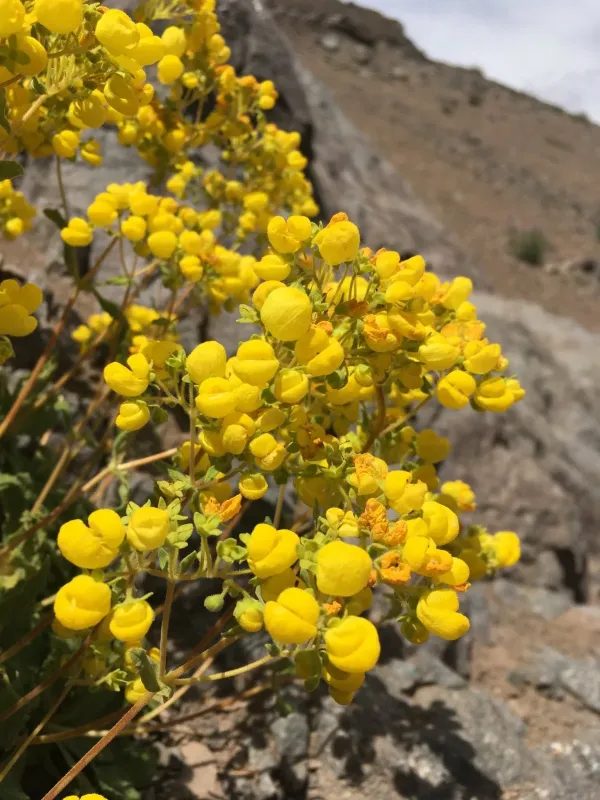
Description
Sowing dates
Sowing Calceolaria andina requires a fine-textured substrate, as the seeds are extremely small and need precise moisture management during the germination phase.
The ideal sowing window typically occurs in late winter or early spring, allowing the plants to establish a robust root system before reaching the flowering stage.
Seeds should be distributed evenly on the surface of the soil and should not be covered with a thick layer of growing medium to ensure they receive sufficient light for activation.
Maintaining a consistent environment with high humidity using covers is essential during the initial period after sowing to prevent the surface from drying out.
Once true leaves develop, seedlings must be transplanted carefully to avoid damaging the root hairs, ensuring enough space for individual growth.
Growing requirements
As a native of the Andean highlands, Calceolaria andina thrives in cool, humid environments that replicate its natural mountainous habitat.
The soil should be nutrient-rich, well-draining, and slightly acidic to support the healthy growth of this delicate, herbaceous ornamental crop.
Adequate irrigation is vital; the substrate should be kept consistently moist, but water must be applied to the base of the plant to keep foliage dry.
The plant requires bright, filtered light; exposure to direct summer sun often results in leaf scorch and premature decline of the floral display.
Proper air circulation is necessary to regulate temperature and humidity levels, preventing the buildup of stagnant heat around the plant base.
Main diseases and pests
Aphids and whiteflies are the primary pests that affect this crop, often colonizing the undersides of leaves and sucking sap, which weakens the plant.
Fungal infections, such as Botrytis, frequently occur when plants are kept in environments with poor airflow and excessively high humidity.
Root rot caused by overwatering is a major threat, leading to yellowing of foliage and eventual collapse of the entire root system.
Integrated pest management strategies should focus on early detection and the use of appropriate biological or chemical control agents when necessary.
- Regular monitoring of foliage for signs of infestation.
- Pruning of withered blooms to prevent fungal spread.
- Maintaining optimal spacing to improve light and air penetration.