
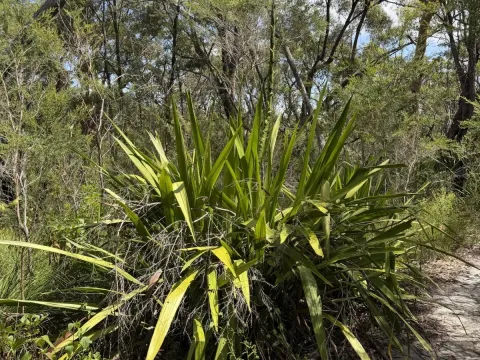
Doryanthes
Doryanthes
Doryanthes is propagated primarily through seeds or by dividing the base of mature plants, which requires specific environmental conditions to ensure survival.
What the section contains

Doryanthes
Seeds should be sown in a sterile, well-draining medium to prevent damping-off diseases, with consistent warmth provided to stimulate germination.
During the seedling stage, it is crucial to maintain high relative humidity while ensuring proper light exposure to prevent the plants from becoming etiolated.
When using vegetative propagation, offsets should be carefully removed from the mother plant and allowed to callus before being potted in fresh, sandy soil.
Successful establishment of young plants depends heavily on the gradual adaptation to lower humidity levels, which helps develop a robust cuticle on the foliage.
Native to the coastal regions of Australia, Doryanthes thrives in environments that provide high solar intensity and well-aerated soil profiles.
The plant demonstrates a high tolerance for drought once fully established, making it suitable for regions where water resources must be managed efficiently.
Soil requirements include a sandy-loam texture with excellent drainage; heavy clay soils should be amended with organic matter to improve aeration.
A balanced fertilizer application is recommended during the growing season to support the formation of large inflorescences and maintain leaf turgor.
Thermal requirements for optimal development range from 18 to 28 degrees Celsius, and the plant requires protection from severe frost to prevent tissue necrosis.
The primary economic use of Doryanthes is as a high-value ornamental flower used in commercial floriculture for large-scale arrangements.
Harvesting for floral use involves cutting the tall, rigid flower spikes when the florets are just beginning to open to ensure maximum vase life.
When collecting seeds for further propagation, inflorescences should be monitored closely as they dry out, preventing loss due to natural dehiscence.
Stems must be cut with sharp, sanitized tools to ensure clean wounds, which speeds up the recovery of the parent plant after the reproductive phase.
Post-harvest management of the harvested floral material includes immediate hydration in clean water to ensure the longevity of the blooms during transport.
The most significant threat to Doryanthes health is waterlogging, which often leads to root rot pathogens such as Phytophthora and Pythium.
Insects like mealybugs and scale can hide in the dense basal leaf rosettes, necessitating periodic checks and the use of targeted systemic insecticides.
Proper plant spacing is essential to reduce the risk of leaf spot diseases caused by high humidity and poor airflow within the planting area.
Regular sanitation, including the removal of dead or decaying lower leaves, helps to minimize the accumulation of pathogens and creates a healthier microclimate.
Integrated pest management strategies should focus on preventive measures, including maintaining optimal soil moisture levels and ensuring exposure to sufficient sunlight.