
Doryanthes palmeri
Doryanthes palmeri
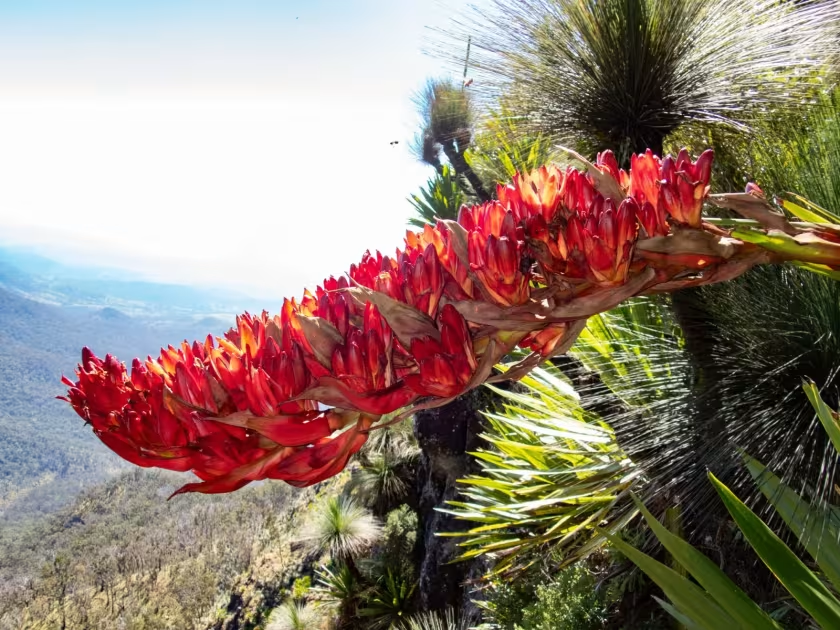
Description
Sowing dates
Propagation of Doryanthes palmeri is primarily achieved through seeds, which require specific preparation and controlled environmental conditions for successful germination. The seeds should be sown in a sterile, well-draining substrate mix consisting of grit and peat.
Spring is considered the ideal time for sowing, as the increase in day length and ambient temperature provides a natural stimulus for seed germination. Maintaining a stable soil temperature between 22 and 26 degrees Celsius is critical for consistency.
The germination period can be extensive, often lasting several weeks, which requires the grower to maintain high levels of vigilance regarding surface moisture. Using a misting system or a fine spray prevents the substrate from drying out without waterlogging the seeds.
Once seedlings emerge, they are sensitive to environmental fluctuations and should be kept in a protected, warm environment. Gradual hardening-off is essential before transitioning them to larger containers to prevent transplant shock.
Growth from seed is characteristically slow, with the plant dedicating significant energy to developing its root system before producing the iconic rosette of leaves. Professional nursery management ensures that each seedling receives adequate space to prevent competition.
Growing requirements
Doryanthes palmeri is native to the coastal regions of Australia, thriving in bright, direct sunlight. As a succulent-like perennial, it requires high light intensity to sustain the physiological processes necessary for its massive floral displays.
The soil profile must be exceptionally well-draining, mimicking the rocky, exposed slopes of its natural habitat. Heavy or compacted soils inhibit root respiration and inevitably lead to the development of anaerobic conditions that cause root rot.
Watering requirements depend heavily on the growth phase; during the active summer growth period, the plant needs consistent moisture but absolute avoidance of water standing around the crown. During winter, irrigation should be significantly reduced.
Temperature management is a primary factor in successful cultivation, with an optimal range between 18 and 30 degrees Celsius. The plant lacks significant frost tolerance, making it unsuitable for outdoor cultivation in temperate climates without winter protection.
Nutrient supplementation should be conservative, using slow-release fertilizers during the onset of the growing season. Excessive nitrogen intake can lead to weak, succulent foliage that is more susceptible to physical damage and pest infestation.
Main diseases and pests
Fungal diseases represent the most significant threat to Doryanthes palmeri, particularly in high-humidity cultivation environments. Pathogens such as Fusarium can colonize the crown, leading to rapid tissue breakdown and plant loss.
Pests including scale insects and spider mites are frequent problems, especially in greenhouse conditions. These pests weaken the plant by extracting sap and can facilitate the secondary entry of viral pathogens through puncture wounds.
An integrated pest management (IPM) approach is recommended, utilizing horticultural oils for mild infestations and systemic insecticides for severe outbreaks. Regular monitoring of the underside of leaves is necessary for early detection.
Preventative measures involve strict sanitation practices, including the regular removal of dead leaf matter that can harbor fungal spores. Improving airflow around the base of the rosette is a key management technique to prevent the buildup of moisture.
In cases of confirmed infection, affected plants must be isolated immediately to prevent cross-contamination. Sterilizing all pruning tools with a 70% alcohol solution between plants is a fundamental rule in professional horticultural practice.