
Aichryson laxum
Aichryson laxum
Description
Growing requirements
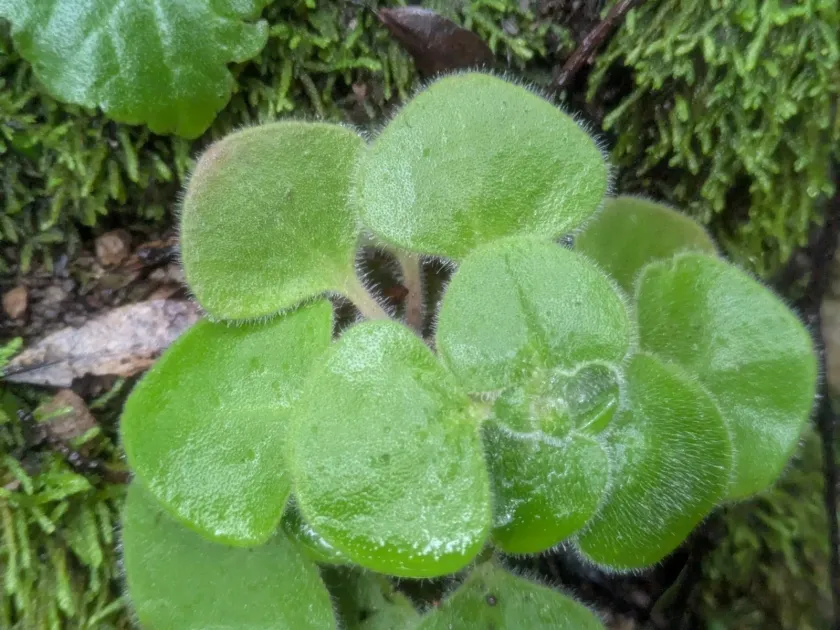
Aichryson laxum, commonly known as the common aichryson, is a succulent member of the Crassulaceae family native to the Canary Islands. It is characterized by its succulent, hairy leaves arranged in rosettes and its branching, shrub-like growth habit.
The plant thrives in bright, indirect light conditions. While it is a succulent, it does not require intense, direct desert sun, as this can easily scorch its leaves. A location with morning sun and light shade for the remainder of the day is ideal for cultivation.
Soil requirements for Aichryson laxum necessitate a well-draining medium, such as a mix specifically designed for cacti and succulents. It is essential that the pot has sufficient drainage holes to prevent the accumulation of stagnant water at the roots.
Watering frequency should be determined by the moisture content of the soil. During the active growing season, allow the soil to dry out significantly before watering again. During the winter dormancy period, watering should be strictly reduced to avoid root rot.
The primary use of this culture is ornamental. It is widely prized by collectors of succulent plants for its ability to produce delicate, yellow, star-shaped flowers, often earning it the nickname "tree of love" in some horticultural circles.
Main diseases and pests
The most significant threats to Aichryson laxum are physiological disorders related to overwatering. Root rot and stem rot are common occurrences if the drainage is poor or if the irrigation schedule is too aggressive during cool temperatures.
Pests such as mealybugs and spider mites are frequent visitors. Mealybugs often hide in the crevices of the succulent stems and leaves, while spider mites thrive in dry conditions, causing leaf discoloration and webbing.
To manage these threats, regular inspection is mandatory. For minor infestations, manual removal with a cotton swab dipped in isopropyl alcohol is often sufficient to control the spread of insects without using harsh chemicals.
Environmental management is the best tool for preventing disease. Good air circulation is critical to prevent fungal outbreaks, especially in high-humidity climates where the plants might otherwise struggle to dry out properly.
In cases of severe infestation or advanced fungal infection, the use of systemic pesticides or specialized fungicides is required. Always test chemicals on a small area of the plant first to ensure the succulent's delicate tissues will not react negatively.