
Aichryson villosum
Aichryson villosum
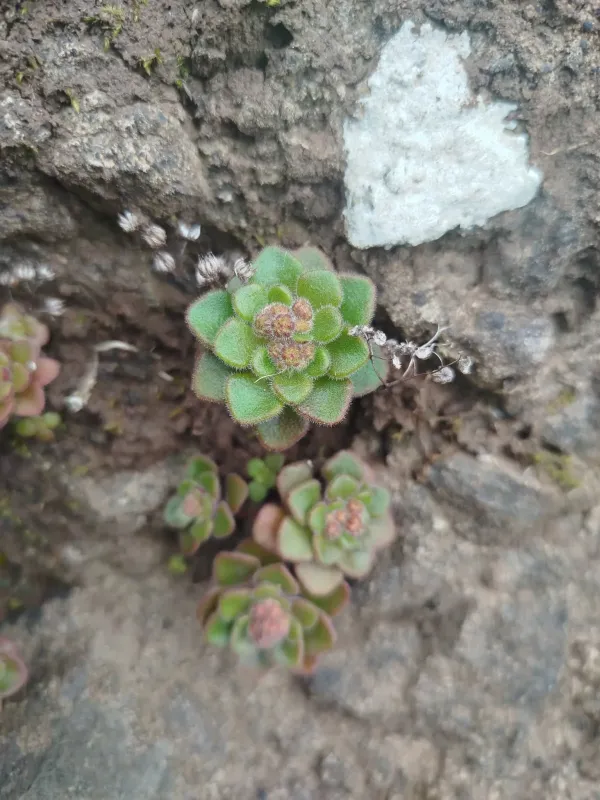
Description
Growing requirements
Aichryson villosum, commonly known as hairy aichryson, belongs to the Crassulaceae family. This succulent species is characterized by its distinct pubescent (hairy) leaves and a compact, bushy growth habit suitable for indoor cultivation.
The plant originates from the Canary Islands, where it naturally inhabits rocky terrains. It thrives in well-drained, porous soil media that mimics its native environment, preventing moisture retention around the roots.
Cultivation requires bright, indirect light exposure. While it tolerates partial shade, intense direct afternoon sun may cause foliage scorch. Proper light management is crucial to maintain the plant's structural integrity and aesthetic shape.
Temperature requirements for optimal growth range from 18 to 24 degrees Celsius. It is advisable to avoid sudden temperature drops or exposure to frost, as the succulent tissues are highly susceptible to damage at temperatures below 5 degrees Celsius.
Watering frequency should be strictly linked to the dryness of the substrate. It is essential to allow the soil to dry out significantly between watering sessions, as the roots are highly prone to rot in waterlogged conditions.
Main diseases and pests
The primary threats to Aichryson villosum are related to irrigation errors. Overwatering frequently triggers root and stem rot, which can destroy the vascular system of the plant in a very short period of time.
Pests such as mealybugs and spider mites are major concerns. These organisms thrive in dry, stagnant air conditions and feed on the sap of the succulent, causing significant leaf drop and general weakening of the specimen.
Monitoring the plant for signs of infestation is vital. Early detection of pests allows for effective treatment using horticultural soaps or specific systemic insecticides that do not damage the sensitive leaf epidermis.
Fungal diseases, including powdery mildew, may occur if the ambient humidity is high and there is insufficient air circulation. Ensuring good ventilation helps mitigate these risks significantly during the growing season.
Cultural control remains the most effective strategy for managing diseases. By keeping the plant clean, providing adequate space between specimens, and strictly managing watering, the likelihood of pest and disease outbreaks is kept to a minimum.