
Adromischus
Adromischus
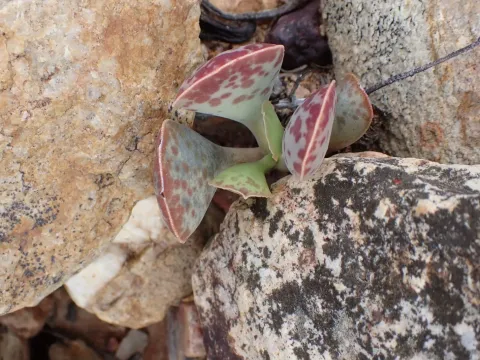
Adromischus is a genus of perennial succulents belonging to the Crassulaceae family. These plants are native to the arid regions of Southern Africa, where they typically thrive in rocky outcrops and well-drained sandy terrain, showcasing unique adaptations to drought.
What the section contains
 Adromischus alstonii
Adromischus alstonii
Adromischus alstonii
 Adromischus caryophyllaceus
Adromischus caryophyllaceus
Adromischus caryophyllaceus
 Adromischus cooperi
Adromischus cooperi
Adromischus cooperi
 Adromischus cristatus
Adromischus cristatus
Adromischus cristatus
 Adromischus filicaulis
Adromischus filicaulis
Adromischus filicaulis
 Adromischus hemisphaericus
Adromischus hemisphaericus
Adromischus hemisphaericus
 Adromischus leucophyllus
Adromischus leucophyllus
Adromischus leucophyllus
 Adromischus liebenbergii
Adromischus liebenbergii
Adromischus liebenbergii
 Adromischus maculatus
Adromischus maculatus
Adromischus maculatus
 Adromischus marianiae
Adromischus marianiae
Adromischus marianiae
 Adromischus schuldtianus
Adromischus schuldtianus
Adromischus schuldtianus
 Adromischus sphenophyllus
Adromischus sphenophyllus
Adromischus sphenophyllus
 Adromischus subdistichus
Adromischus subdistichus
Adromischus subdistichus
 Adromischus triflorus
Adromischus triflorus
Adromischus triflorus
 Adromischus trigynus
Adromischus trigynus
Adromischus trigynus
 Adromischus umbraticola
Adromischus umbraticola
Adromischus umbraticola
Adromischus
Botanically, they are characterized by their slow growth rate and thick, fleshy leaves that often feature intricate mottled patterns or spotted coloration. Their ability to store water in these leaves makes them resilient, yet they require specific environmental management.
Successful cultivation relies on providing intense, bright light. While they can tolerate full sun, it is crucial to gradually acclimate them to prevent leaf scorch. Lack of sufficient light will lead to etiolation, where the plant grows weak and leggy stems.
The soil requirements are strict: a highly porous, inorganic-heavy mix is essential. Using a commercial cactus potting mix fortified with extra pumice or perlite ensures the rapid drainage necessary to prevent water from lingering around the roots.
Irrigation practices must prioritize the 'soak and dry' method. During the active growing season, water thoroughly only when the substrate has dried out completely. In the dormant winter months, water should be significantly reduced or suspended to prevent root failure.
Mealybugs are the most common pest affecting Adromischus, often clustering in the crevices between leaves. Effective control involves manual removal using a cotton swab dipped in alcohol or the application of appropriate contact insecticides.
Root rot is the most serious threat, usually caused by overwatering or soil that stays moist for too long. Signs include soft, discolored stems and leaf drop. To manage this, one must remove affected parts, repot in fresh dry soil, and improve airflow.