
Aichryson dumosum
Aichryson dumosum
Description
Growing requirements
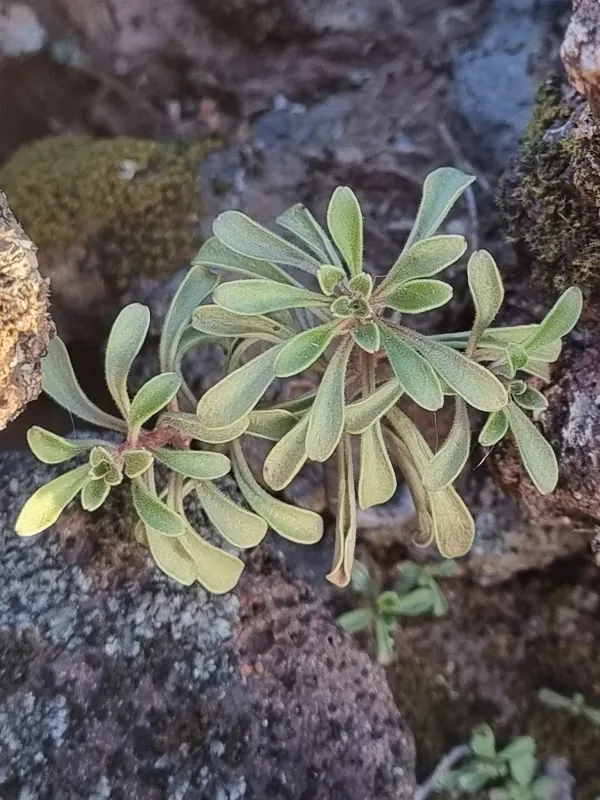
Aichryson dumosum is a distinctive succulent species belonging to the Crassulaceae family. Native to the rocky slopes of Madeira, this plant has adapted to survive in environments with well-drained soils. It forms a small, bushy habit with fleshy, pubescent leaves that grow in dense rosettes on branching stems.
The plant requires bright, indirect sunlight to thrive. While it can handle some morning sun, intense midday exposure is likely to scorch the foliage. The ideal growing temperature ranges from 20°C to 25°C during the active growing season. A cooler period during winter, ideally around 10-12°C, is crucial for successful flowering.
Choosing the right soil is essential for the health of Aichryson dumosum. A loose, sandy mix designed for cacti and succulents is recommended to ensure excellent aeration and drainage. Adding extra perlite or pumice to standard potting compost can further improve its structure, preventing the risk of root suffocation.
Watering should be approached with caution. The substrate must be allowed to dry out significantly between waterings to mimic the plant's natural habitat. Overwatering is the most common cause of failure in cultivating this species. During the winter dormancy, the plant requires very little water to maintain its structural integrity.
Propagation is most effective through stem cuttings during the spring or early summer. Cuttings should be allowed to callous for a day before being placed in a gritty, well-draining medium. This plant is highly valued for its compact size, making it a perfect candidate for small indoor collections and decorative pots.
Main diseases and pests
Common pests associated with this species include mealybugs, spider mites, and scale insects. These organisms often thrive when the plant is kept in poor ventilation or overly humid conditions. Systematic inspection of the leaf axils and undersides of leaves is necessary to catch infestations early.
Root and stem rot are the primary threats to the plant's longevity, usually triggered by waterlogged conditions and lack of drainage. If rot is detected, it is vital to prune away the affected tissue and treat the remaining parts with a fungicide, followed by repotting into fresh, dry substrate.