
Aichryson divaricatum
Aichryson divaricatum
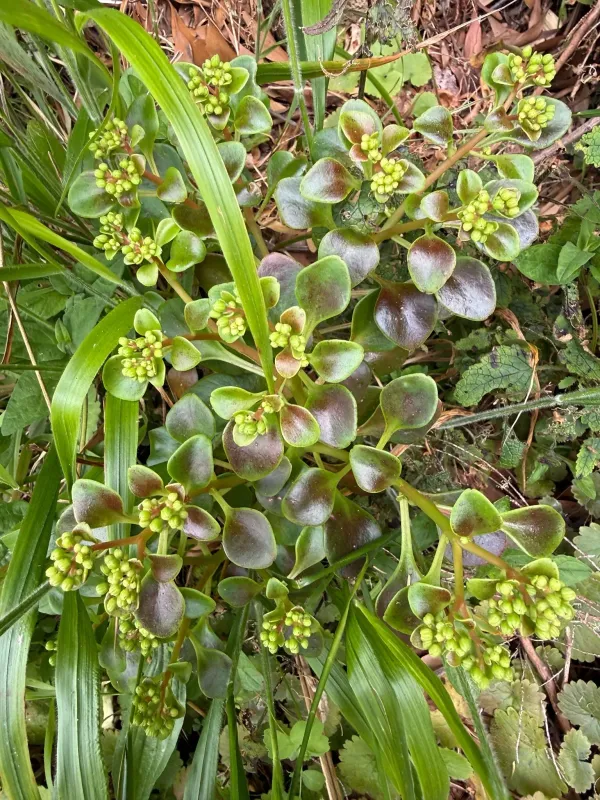
Description
Growing requirements
Aichryson divaricatum is a distinct species of succulent belonging to the Crassulaceae family. It is native to the Canary Islands, where it thrives in arid, rocky environments, showcasing its high adaptability to nutrient-poor substrates.
The plant features a branching growth habit with fleshy, pubescent leaves arranged in rosettes. As it matures, the stems become woody, giving the plant the aesthetic appeal of a miniature shrub, which is highly valued in horticulture.
In terms of climate requirements, this species prefers bright, indirect sunlight. Excessive exposure to harsh midday sun can lead to leaf scorch, while deep shade causes etiolation, where the stems stretch and lose their compact form.
Soil requirements are strict: the medium must be highly porous and well-draining. A typical mix for cacti and succulents, enriched with grit, pumice, or perlite, is necessary to prevent water stagnation in the root zone.
Regarding moisture, Aichryson divaricatum requires a specialized watering regime. The soil must dry out almost completely between waterings, especially during the dormant winter period, to avoid fatal root rot.
Main diseases and pests
The most significant threat to the health of this succulent is root rot caused by poor drainage or overwatering. Once rot sets in, it is often difficult to reverse, making prevention the best strategy.
Common pests include the mealybug and spider mite. These insects are particularly attracted to the soft, hairy leaf structures, especially when the plant is kept in environments with low humidity.
If an infestation occurs, it is advised to isolate the plant and treat it with suitable systemic insecticides or horticultural soaps, ensuring the treatment reaches the crevices of the leaf rosettes.
Environmental stress, such as sudden temperature drops or drafty conditions, can trigger leaf drop. Maintaining a stable environment is crucial for keeping the plant in optimal condition.
Additionally, fungal infections may appear if there is poor air circulation. Providing adequate spacing between pots and ensuring regular ventilation helps in maintaining the overall plant health.