
Stenocereus
Stenocereus (A. Berger) Riccob.
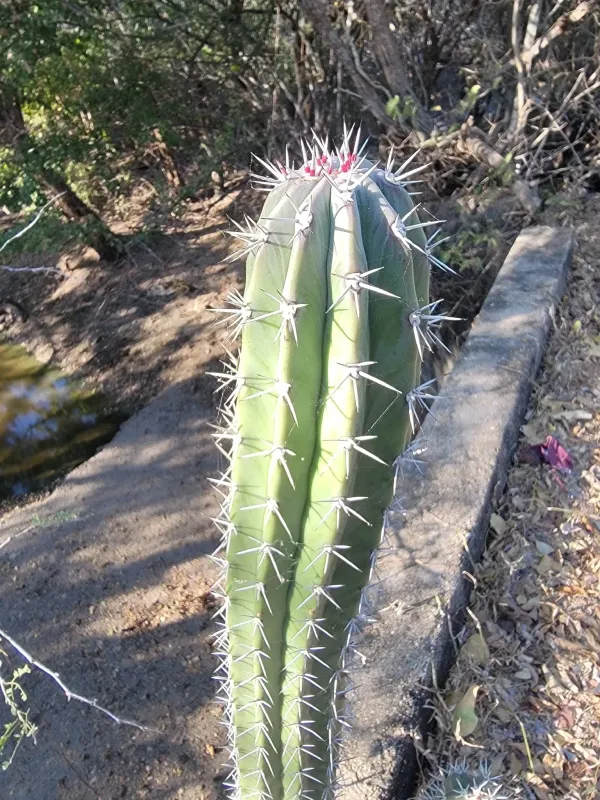
Description
Sowing dates
Propagation of Stenocereus in commercial cultivation is primarily performed through cuttings, which ensures the preservation of the genetic characteristics of high-yielding varieties.
Spring and early summer are the best seasons for propagation as the plant enters its active growth phase, facilitating faster root development and overall establishment.
Before planting, cuttings must be left to air-dry in a shaded, ventilated area until a callus forms at the base, which is crucial for preventing infection upon planting.
The cuttings are then placed in a highly porous, gritty substrate that prevents moisture buildup and encourages the healthy growth of a strong root system.
Seed propagation is also possible but is mostly utilized by research institutions and breeders aiming to develop new, more resilient, or productive hybrids.
Growing requirements
Stenocereus is a genus within the Cactaceae family, natively adapted to the arid and semi-arid landscapes of Mexico and the southern United States.
These plants require full, direct sunlight to maintain their structural integrity and stimulate regular flowering and subsequent fruit production.
The soil must be alkaline or neutral, well-draining, and rich in mineral content; heavy clay soils should be strictly avoided to prevent root diseases.
Temperatures should generally stay between 20 and 35 degrees Celsius during the growing season, while a dormant period with cooler temperatures is necessary for winter health.
Watering requires strict management: thorough saturation followed by complete drying of the soil is the golden rule for keeping Stenocereus healthy.
Yield
The primary economic value of Stenocereus lies in its fruit, often known as sour pitaya, which is highly appreciated for its unique flavor and nutritional profile.
Mature plantations can produce consistent yields for decades, provided they receive proper mineral supplementation, particularly potassium, which improves fruit quality.
Yield metrics are largely determined by site management, including proper pruning of the cactus stems to maximize energy allocation toward the developing fruits.
Global interest in exotic, nutrient-dense fruits makes the cultivation of Stenocereus a potentially lucrative venture for farmers in appropriate climatic zones.
Harvesting is a labor-intensive process, as the fruits require careful handling to avoid damage, ensuring they reach the consumer in perfect condition.
Main diseases and pests
Root rot, caused by overwatering or poor soil drainage, remains the most significant threat to the survival and productivity of Stenocereus plantations.
Pests such as mealybugs and spider mites thrive in dry conditions and can cause significant damage to the epidermis of the cactus stems, weakening the plant.
Integrated pest management strategies, including the use of targeted biological controls, are preferred to minimize the chemical footprint on fruit destined for consumption.
Regular monitoring for early signs of infection or infestation is essential, as fast intervention can often save the plant before damage becomes irreversible.
Maintaining adequate airflow around the plants and avoiding excessive humidity are the most effective preventative measures against fungal and bacterial issues.
Harvesting
Harvesting is performed by hand, often requiring the use of protective gloves and specialized tools to safely remove fruits covered in spines from the main stem.
Fruits are harvested at peak maturity, indicated by specific changes in skin color and texture, to ensure the best sweetness and flavor profiles for the market.
Post-harvest handling involves cleaning the fruit, removing debris, and cooling the product to slow down the ripening process and extend shelf life during shipping.
Efficient supply chain management is critical, as the fresh fruit is perishable and requires quick transit to retain its visual appeal and organoleptic qualities.
Farmers often grade fruits by size and appearance, allowing for tiered pricing and ensuring that the highest quality produce is reserved for premium retail channels.