
Selenicereus triangularis
Selenicereus triangularis
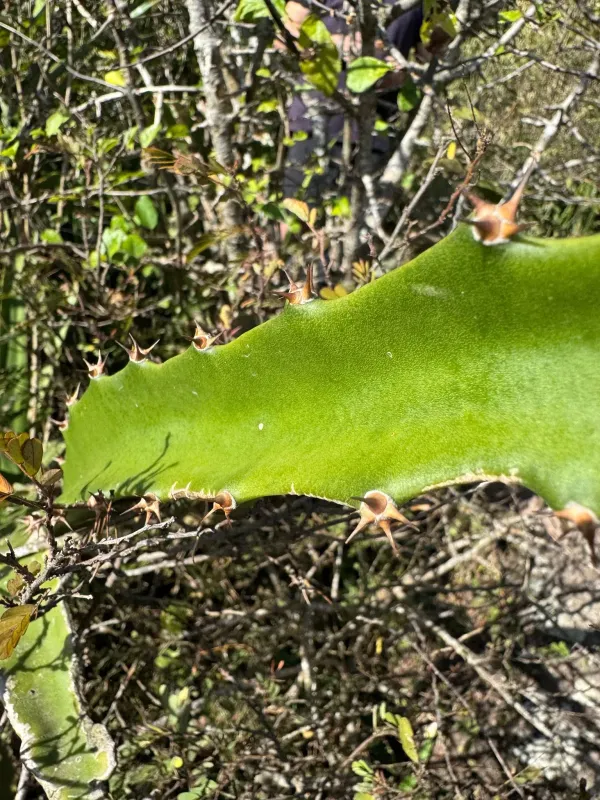
Description
Sowing dates
Selenicereus triangularis is typically propagated vegetatively using stem cuttings. The optimal time for propagation is the beginning of the growing season when soil temperatures remain consistently above +20°C.
Prior to planting, cuttings must be dried in a shaded area for several days until a callus forms to prevent tissue rotting. The cuttings are then planted in a light, well-draining substrate to a depth of approximately 5 cm.
In commercial cultivation, support structures are essential, as this is an epiphytic vine that requires vertical growth. Plantation layouts usually involve row planting with at least 2 meters of space between individual plants.
Seed propagation is rarely used in commercial production due to the long maturation period and the risk of genetic variation. Seeds are sown in sterile sand under conditions of high humidity and temperatures between +25°C and +28°C.
Young plants require protection from direct sunlight during their first few months. Agronomists should ensure that stems are timely secured to trellises to establish a proper skeletal structure for the vine.
Growing requirements
This crop belongs to the Cactaceae family and originates from tropical regions in Central and South America. It is naturally adapted to subtropical or tropical climates with adequate precipitation.
The plant is highly sensitive to light levels; for optimal photosynthesis and flowering, it requires bright, indirect sunlight. Inadequate light results in spindly stem growth and prevents the plant from flowering.
Soils must be slightly acidic or neutral, featuring excellent water and air permeability. Excessive soil moisture combined with low temperatures is detrimental to the plant's root system.
The temperature should be maintained within the +18°C to +30°C range. Temperatures below +5°C are critical, as they can cause irreversible tissue damage to the stems.
Reliable support is a fundamental requirement. In nature, this species uses trees as a substrate for its aerial roots; therefore, concrete or wooden poles with mesh are installed in cultivation to mimic this structure.
Yield
The period until first harvest after vegetative propagation typically lasts 2 to 3 years. Commercial yield is directly dependent on light intensity, proper care, and efficient pollination.
Flowering usually occurs at night, necessitating the use of natural pollinators or manual pollination techniques. Many clones are self-sterile, requiring the planting of multiple varieties to ensure cross-pollination.
With proper agrotechnics, a mature plant can produce multiple harvest waves per season. The weight of an individual fruit typically ranges from 200 to 500 grams, depending on the specific variety.
Balanced application of potassium and phosphorus fertilizers during the budding phase significantly increases fruit weight and sugar content. Nitrogen fertilizers should be limited to avoid excessive vegetative growth.
Overall plantation productivity is determined by planting density and irrigation management. Under optimal conditions, yields are comparable to those of other commercially successful pitaya varieties.
Main diseases and pests
The primary pests affecting the plant are scale insects and mealybugs, which target the stems and buds. They extract cell sap, weakening the plant and promoting the development of sooty mold.
Root and stem rots caused by pathogenic fungi (such as Fusarium or Phytophthora) occur due to overwatering and poor drainage. Affected areas must be pruned and treated with appropriate fungicides.
Mites can cause significant damage to young shoots during hot, dry periods, leading to discolored patches and stunted growth of the vine.
Disease prevention involves maintaining a strict irrigation schedule and ensuring good ventilation between plants. It is crucial to prevent the root crown from having direct contact with wet substrate.
In cases of severe infestations, systemic insecticides are recommended, though harvest waiting periods must be strictly observed when growing for human consumption.
Harvesting
Harvesting is performed when the fruits reach full maturity, showing characteristic color and becoming slightly soft to the touch. It is important to avoid over-ripening, as fruits may crack.
Fruits are harvested by carefully cutting them with a portion of the stem. Transportation requires caution, as the skin is delicate and prone to injury, which can accelerate spoilage.
Stored fruits should be kept at moderate temperatures (+10°C to +12°C). Extended refrigeration can lead to skin darkening and a loss of market quality.
The fruits are primarily consumed fresh or processed into juices, smoothies, and jams. Due to their high antioxidant content, they are highly sought after in health food markets.
After the harvest, sanitary pruning of spent stems is performed. This practice encourages the growth of new vegetative shoots capable of producing the next harvest in the following cycle.