
Selenicereus anthonyanus
Selenicereus anthonyanus
Description
Growing requirements
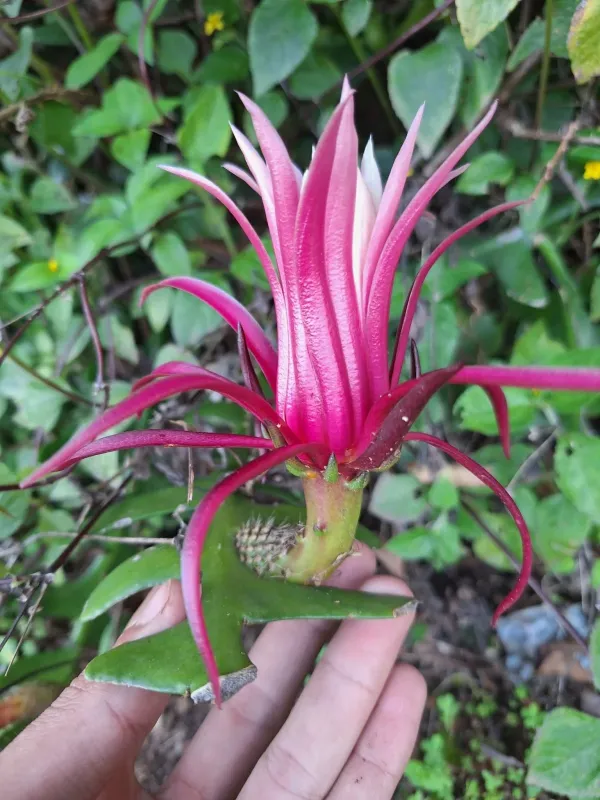
Selenicereus anthonyanus, commonly known as the Rick Rack cactus, is a unique epiphytic plant belonging to the Cactaceae family. Originating from the tropical rainforests of Mexico, this species is highly valued for its striking, zig-zagging, deeply lobed stems that can reach significant lengths in favorable conditions.
To successfully cultivate this species, growers must provide bright, filtered light. Unlike desert cacti, this plant thrives in semi-shaded environments, mimicking the light levels found under the forest canopy. Direct, intense sunlight should be avoided to prevent tissue damage and yellowing of the succulent stems.
The substrate requirement involves a well-draining, airy mixture. An ideal composition includes orchid bark, peat moss, perlite, and a small amount of charcoal. This structure allows oxygen to reach the roots while maintaining enough moisture for the plant's metabolic processes, preventing the risk of root rot.
Climatic requirements focus on warmth and consistent humidity. The optimal temperature range is between 20°C and 28°C during the growing season. While the plant can tolerate lower temperatures, it must be protected from freezing, as its tropical lineage makes it highly susceptible to cold-induced cellular collapse.
Irrigation should be managed through a 'soak and dry' method, ensuring the soil medium is partially dry before the next watering session. During the winter, when growth naturally slows down, watering must be significantly reduced to provide a dormant phase, which is essential for healthy long-term growth.
Main diseases and pests
The primary pathological threats to this crop are fungal infections, specifically stem and root rot caused by poor soil drainage and excessive moisture retention. Maintaining a strict sanitation protocol for pots and tools is vital for preventing the spread of soil-borne pathogens.
Common pests associated with this plant include mealybugs and spider mites, which thrive in dry indoor air. Integrated pest management strategies should be employed, starting with manual removal and progressing to targeted applications of insecticidal soaps or neem oil if infestations persist.