
Rebutia
Rebutia K. Schum
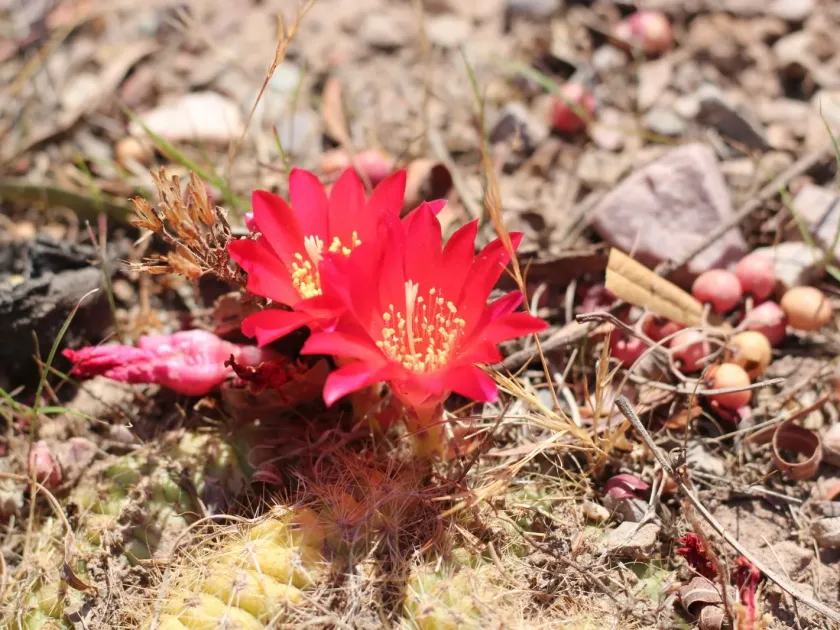
Description
Sowing dates
Rebutia seeds should be sown in early spring in a sterile, well-draining substrate composed primarily of fine sand and perlite.
The seeds are spread on the surface and should not be buried deep, as light is often required for germination in many species.
Keep the sowing container covered with glass or plastic film to maintain high humidity and consistent temperatures between 20°C and 25°C.
Seedlings need to be kept out of direct sunlight but in a well-lit area to prevent them from becoming thin and elongated.
Gentle watering using a spray bottle or bottom-up irrigation helps to maintain the necessary moisture levels without disturbing the delicate roots.
Growing requirements
Rebutia is a genus of small, colorful cacti from the family Cactaceae, native to the high-altitude regions of Argentina and Bolivia.
These plants thrive in porous, mineral-rich soils that allow for rapid drainage, as they are highly sensitive to standing water.
They require significant amounts of indirect bright light; however, direct afternoon sun in mid-summer can scorch their stems.
A cool, dry dormancy period during the winter months is essential for triggering the spectacular bloom that defines the genus.
During the active growing season, water them thoroughly but wait for the potting medium to dry out completely before watering again.
Main diseases and pests
Mealybugs are common pests that hide between the ribs of the cactus, sucking juices and causing stunted growth and discoloration.
Root rot caused by overwatering or poorly draining soil is the most frequent fatal issue for these cacti in domestic environments.
Spider mites can become a nuisance in conditions where the air is consistently dry, leading to unsightly scarring on the plant's skin.
Fungal infections often result from poor ventilation; therefore, keeping the plants in a well-ventilated area is a crucial preventive measure.
Integrated pest management includes visual inspections, using specific acaricides for mites, and applying systemic insecticides for mealybugs.