
Opuntia undulata
Opuntia undulata
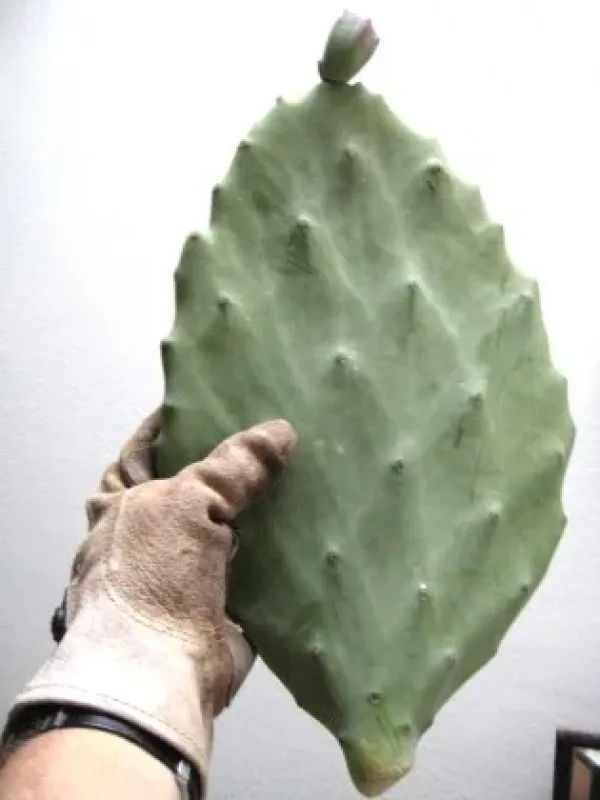
Description
Growing requirements
Opuntia undulata is a prominent member of the Cactaceae family, known for its distinctively wavy-edged cladodes. This succulent perennial has adapted specifically to arid and semi-arid environments, making it a robust candidate for cultivation in challenging climates.
The plant originates from the Americas, where it has been utilized for centuries. Its biological structure allows for extreme efficiency in water retention, enabling it to thrive in regions where annual precipitation is low and evapotranspiration rates are high.
For successful agricultural production, the soil must provide excellent drainage. Clay-heavy soils that retain moisture are generally unsuitable, as they lead to root rot. Sandy, loose, and slightly alkaline soil types provide the best medium for root expansion and overall vitality.
Temperature is a limiting factor for this crop, as it is frost-sensitive. Optimal photosynthetic activity occurs between 20°C and 35°C. In regions with cooler winters, the cultivation area must be carefully selected to avoid cold air drainage and frost pockets.
Cultivation practices include managing spacing between rows to ensure adequate airflow, which is critical to preventing fungal issues. Minimal weeding is required once the plant is established, as its aggressive growth habit typically outcompetes surrounding weeds.
Yield
The crop is highly valued for its dual-purpose utility: providing both nutritious biomass for livestock and edible fruit for human consumption. In many regions, the cladodes are processed into cattle fodder, serving as a reliable alternative during periods of drought.
The fruits of Opuntia undulata are rich in essential vitamins, antioxidants, and minerals. When harvested at peak maturity, they provide a valuable source of income and nutrition, making the plant a versatile asset for smallholder and industrial farming.
Annual yields vary significantly based on irrigation management and site selection. With strategic fertilization and consistent sunlight exposure, plantations can maintain high production levels for several decades with relatively low input costs.
Economic potential extends to the extraction of valuable compounds, such as pectin and natural pigments, used in the food and cosmetic industries. This diversification of use cases increases the financial viability of commercial cactus plantations.
Mechanization of harvest is increasingly becoming a standard in modern Opuntia farming. The use of specialized tools for removing glochids ensures the produce is market-ready while minimizing occupational hazards for farm workers.
Main diseases and pests
Common pests affecting this crop include the mealybug and scale insects. These pests feed on the succulent tissue, causing chlorosis and weakening the structural integrity of the cladodes if not managed through timely integrated pest management.
Fungal pathogens such as Phytophthora and various types of soft rot represent the most significant threat to plantation longevity. These diseases are most prevalent during periods of high humidity or excessive irrigation, which stresses the plants.
Preventative strategies focus on maintaining strict hygiene protocols. This includes disinfecting pruning tools between plants and ensuring that irrigation systems do not cause water pooling at the base of the cacti, which serves as a breeding ground for pathogens.
Biological control methods are increasingly used to manage pests, reducing the reliance on chemical pesticides. Encouraging natural predators of mealybugs can create a more balanced ecosystem within the plantation, decreasing the frequency of outbreaks.
Systematic monitoring is the foundation of crop health. Farmers are advised to conduct regular inspections for early signs of lesions or insect infestations, as immediate intervention is often the only way to prevent rapid spread across the field.