
Opuntia tunoidea
Opuntia tunoidea
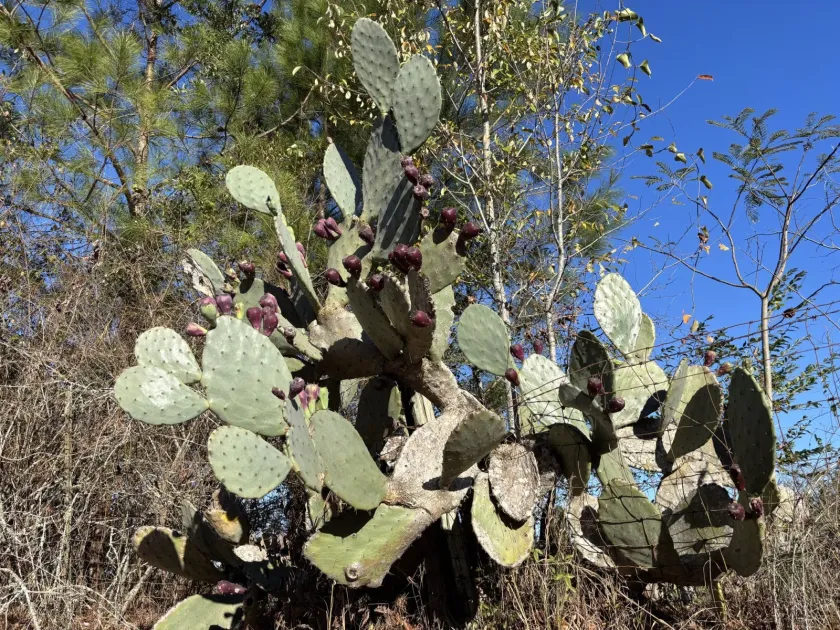
Description
Growing requirements
Opuntia tunoidea is a succulent plant belonging to the Cactaceae family, known for its extreme resilience in arid and semi-arid environments. It features cladodes (flattened stem segments) which allow for water storage, facilitating survival during extended drought periods.
The species originates from the Americas, where it has historically been valued for its adaptability. It is now cultivated in various parts of the world, particularly in regions where traditional agriculture is limited by water scarcity and soil quality.
Agricultural success with Opuntia tunoidea requires sandy, well-draining soil. Drainage is the most critical aspect, as excess water retention in the soil profile will inevitably lead to root rot and significant crop failure across the plantation.
In terms of climate, the crop thrives under full sun exposure and warm temperatures. It requires a significant amount of light energy to produce healthy cladodes and fruit, making high-altitude or arid equatorial regions ideal for commercial production.
The economic value of this crop is diverse, serving as a primary source of fruit for human consumption, a source of natural pigment production, and a sustainable forage option for livestock in areas affected by seasonal feed shortages.
Main diseases and pests
Fungal infections, primarily triggered by excessive moisture, remain the most significant threat to Opuntia tunoidea plantations. These pathogens typically attack the root system or lower segments, leading to rapid tissue decay and plant mortality.
Pests such as mealybugs and spider mites are constant threats that weaken the plants by sap-sucking. These infestations can escalate rapidly in dry conditions, requiring prompt management through biological controls or targeted application of pesticides.
Cactus scale insects also pose a major risk to the crop. Their presence not only hampers the structural integrity of the plant but also drastically reduces the cosmetic quality of the fruit, making it unsuitable for commercial retail markets.
Strict hygiene measures, including the removal and destruction of infected plant debris, are essential for preventing the spread of diseases. Farmers should prioritize regular field scouting to identify pest colonies before they reach outbreak levels.
Proper agronomic management, such as maintaining optimal planting density to ensure adequate airflow, is a key preventative measure. Reducing humidity in the plant canopy significantly decreases the incidence of fungal pathogens and slows the development of pests.