
Opuntia triacanthos
Opuntia triacanthos
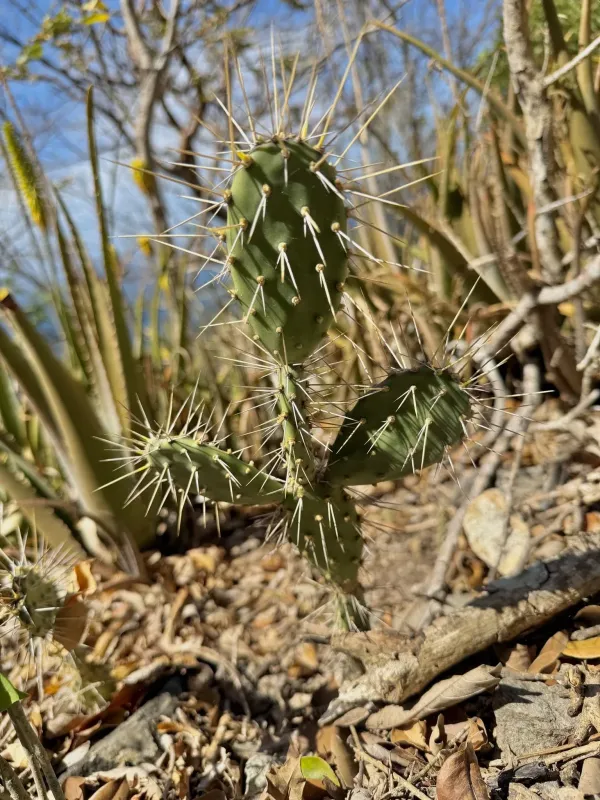
Description
Growing requirements
Opuntia triacanthos belongs to the Cactaceae family. This succulent species is highly adapted to arid environments characterized by high sunlight and minimal water availability.
Successful cultivation requires well-draining, sandy, or rocky soil. The plant cannot tolerate waterlogged conditions, which lead to root rot and other physiological disorders.
The optimal climate for this species is tropical or subtropical. It thrives in high-temperature environments and requires full exposure to direct sunlight for vigorous development.
Agrotechnical management includes minimal fertilization and careful water scheduling. It is essential to maintain a neutral soil pH to ensure optimal nutrient uptake by the roots.
Due to its sensitivity to cold and frost, cultivation in temperate regions is generally restricted to greenhouse conditions or controlled indoor environments.
Yield
The primary economic output of Opuntia triacanthos includes its edible fruit and its biological mass, which serves various industrial purposes.
The fruits are highly valued for their nutritional content, including antioxidants, vitamins, and dietary fiber, often processed for health food markets.
In addition to human consumption, the plant segments are utilized as fodder in livestock production after processing to remove spines.
Seed oil extracted from the fruit has gained significant importance in the beauty and skincare industry due to its high concentration of beneficial fatty acids.
Industrial yields are optimized through systematic plantation management, including precise irrigation techniques and periodic soil amendment practices.
Main diseases and pests
Fungal infections and pathogens are the most common threats to the plant, especially when humidity levels exceed the plant's natural tolerance range.
Pests such as mealybugs and spider mites represent a constant challenge, as they thrive on the surface of the succulent segments, reducing overall plant vitality.
Cactus moth larvae pose a serious risk as they can tunnel into the plant tissue, causing structural damage and facilitating secondary bacterial infections.
Management strategies focus on maintaining air circulation and keeping the plant canopy dry to prevent the spread of mold and rot-related diseases.
Integrated pest management protocols, including manual removal and biological controls, are recommended to maintain healthy plantations without over-reliance on chemicals.