
Prickly pear
Opuntia stricta
Description
Growing requirements
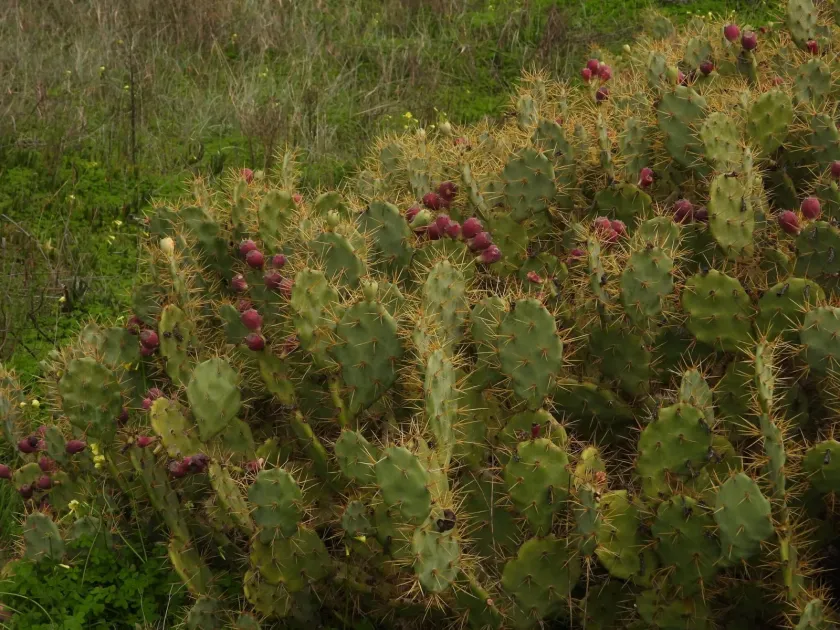
Opuntia stricta, commonly known as the erect prickly pear, is a succulent perennial plant belonging to the Cactaceae family. Native to the Americas, it is widely recognized for its robust nature and ability to thrive in harsh, arid climates where other crops struggle to survive.
The crop requires full sun exposure to maintain optimal photosynthetic rates and fruit development. In commercial settings, sites with southern or western exposure are preferred to ensure maximum daily light duration throughout the growing season.
Regarding soil preferences, it thrives in well-drained, sandy, or rocky soils. It is highly tolerant of saline conditions, which allows it to be cultivated on marginal lands that are unsuitable for traditional food crops.
Temperature requirements are generally high, as the species is sensitive to sustained freezing conditions. However, it displays remarkable resilience to high heat, adapting its physiology to conserve moisture under extreme thermal stress.
Agronomic management involves minimal irrigation, as excessive water often leads to root rot. Weeding during the initial establishment phase is necessary to prevent competition for nutrients and soil moisture.
Yield
The economic utility of Opuntia stricta is centered on both fruit production and biomass yield. Its fruits are nutritionally dense, containing antioxidants and vitamins, which makes them highly valuable for fresh consumption or processing.
In regions facing water scarcity, this cactus serves as a crucial fodder crop for livestock. After the removal of spines and glochids, the pads (cladodes) provide significant hydration and nutritional support for animals during dry periods.
The plant has gained interest in the bio-energy sector, as its biomass can be processed into biogas or other renewable energy sources. This creates opportunities for vertical integration in agricultural production systems.
Moreover, the extraction of natural pigments and mucilage from the plant pads offers potential for the cosmetic and pharmaceutical industries, adding extra value to the harvest beyond traditional food chains.
Yield management requires careful selection of high-producing varieties and systematic pruning to stimulate new growth, which ensures consistent production across multiple years of the plantation's lifespan.
Main diseases and pests
The most significant pest impacting Opuntia stricta is the cactus moth, Cactoblastis cactorum. The larvae of this moth bore into the stems, causing extensive tissue damage that can lead to the total collapse of the plant population if left unmanaged.
Fungal pathogens such as Fusarium and various soft rot bacteria pose a continuous risk, especially in environments with high humidity or improper soil drainage. These pathogens cause tissue breakdown and necrosis in the cladodes.
Pests like mealybugs and spider mites can infest younger plants, weakening their growth. Early intervention with integrated pest management (IPM) strategies is essential for preventing these infestations from reaching economic threshold levels.
Sanitation practices, such as removing and destroying infected plant tissue, are critical for disease prevention. Maintaining optimal spacing between rows encourages air circulation, which naturally reduces the risk of fungal outbreaks.
Chemical control should be used sparingly and only as a last resort, emphasizing biological alternatives that protect beneficial pollinators and surrounding ecosystems while ensuring the quality of the harvested fruit.